 httpv://www.youtube.com/watch?v=vR_VhfxAnXU
Yeah. You wish your dad could dance like this.



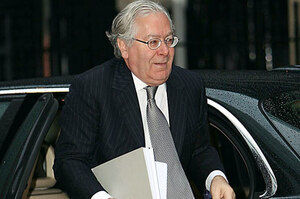
“The price of this financial crisis is being borne by people who absolutely did not cause it.”
“Now is the period when the cost is being paid, I’m surprised that the degree of public anger has not been greater than it has.”
Mervyn King, Governor of the Bank of England.

KIDDING!
US Warships Arrive To Boost Humanitarian Efforts In Region.
Fleet includes USS Enterprise (above). Yes, real name. It’s been on pirate-hunting duty off the coast of Somalia; currently patrolling the Suez, its crew laughing at Egyptian Trekkies waving on the banks of the river.
Gates Plays Down Idea Of US Force In Libya (New York Times – Blog)
Offering us an excuse to use an image we’ve been saving for just such an event.

“Mr Ahern said last night he did not know the report was being published and he would “have to have a read of it”. Mr McCreevy could not be contacted for comment, while Mr Cowen did not respond to questions on the matter.”
How Ahern Ignored Key Warnings On The Economy (Irish Independent)

Skull Chair from the Nouvelle Vague Exhibition in Milan this April.
Sit. Relax. Contemplate mortality. Scratch yourself through the eyeholes.
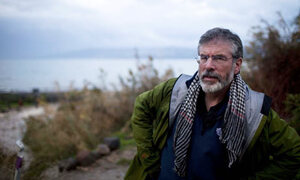
The process which saw Sinn Fein’s election success started with the hunger strikes, asserts Gerry Adams on his Leargas blog:
“The success of Bobby [Sands]’s election in Fermanagh South Tyrone in the Westminster election of April 81, and of Ciaran Doherty in Cavan Monaghan and Paddy Agnew in Louth in the June 81 general election in the south, were watershed moments.
None of us knew that at the time. Some of us felt it instinctively but it has needed the intervening decades to understand the extent to which the courage and sacrifice of the ten men who died on hunger strike changed modern Irish history.
For Sinn Féin it was the acceleration of a process of internal debate which saw the party embrace electoralism. And it was the commencement of a conversation which ultimately led to the party’s peace strategy and the peace process.
In the south it was the end of majority government by a single party. From 1981 coalition government was the order of the day with a succession of parties, including Labour, the PDs and the Greens stepping forward to put Fianna Fáil or Fine Gael into government. And all paid an electoral price.
It was also the beginning of the slow decline of Fianna Fáil as the dominant political force in that part of the island.”