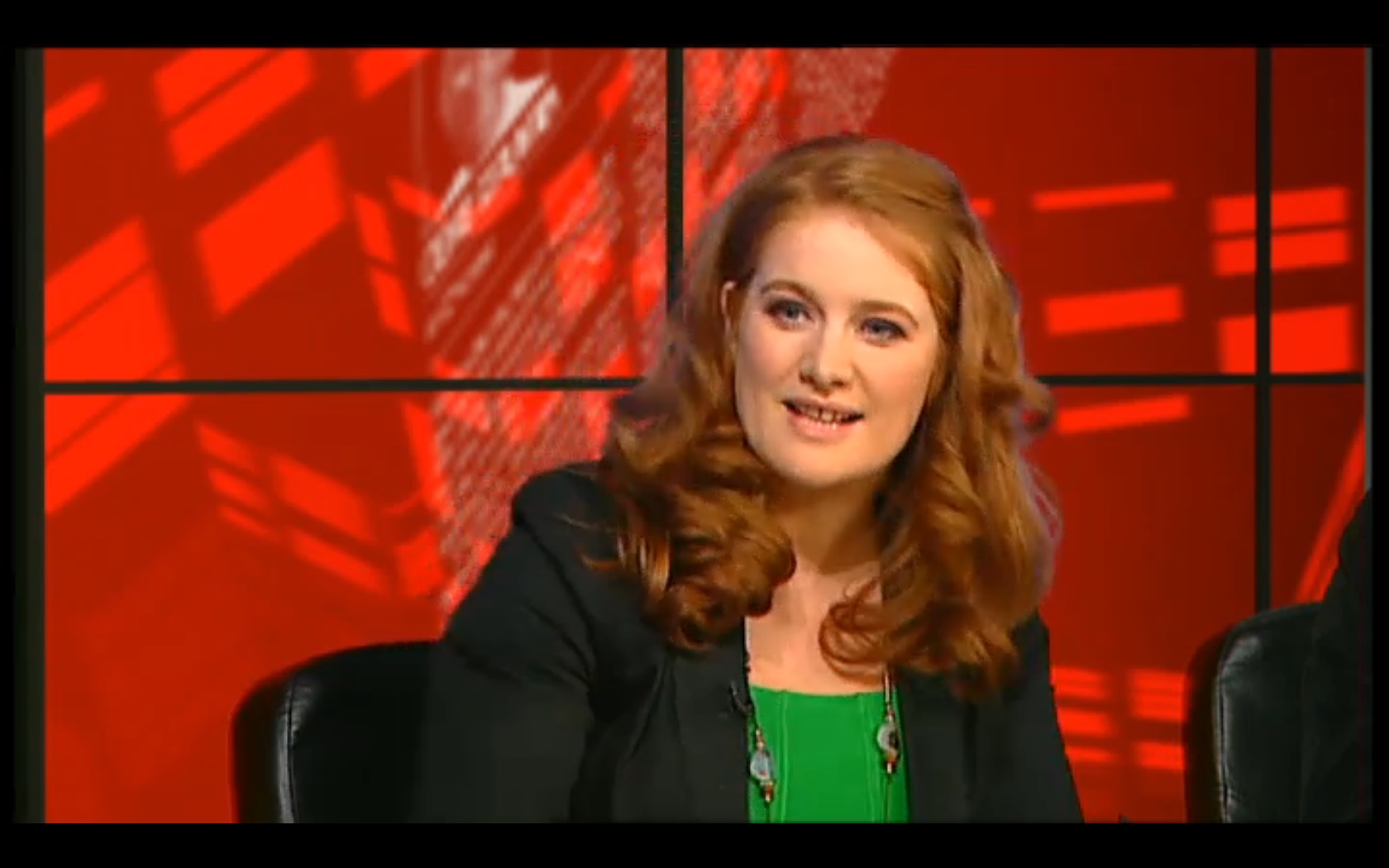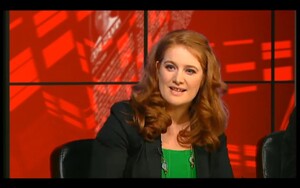
Vincent Browne attacked the Seanad last night taking aim at four candidates who represent “rotten boroughs, seats for elites” – the university panels.
Regina O’Connor, advisor to Fianna Fail MEPs, came off worst.
By some distance.
Browne: “Regina what do you stand for?”
O’Connor: “The most important thing at the moment is our future…”
Browne: “Really? Good Lord. When was that not the case? When did anybody running for election to anything say the most important thing at the moment is our past?”
O’Connor: “Well I think more than any time -”
Browne: “Can you think of a more astounding cliché than that?”
O’Connor: “Well I still believe in it.”
Browne: “Really? You think the most important thing is our future?”
O’Connor: “It’s up to us. We are the next generation. We have to stand up to the plate.”
Browne: “Stand up to the plate?”
O’Connor: “And I am willing to come back from Brussels with my expertise as an EU legal and political adviser and to add value to the Seanad.”
Browne: “And your first insight is that the most important thing is our future.”
O’Connor: “Yeah the future of the country.”
Browne: “Oh my God.”
O’Connor: “I think Vincent it’s what everybody is thinking about.”
Browne: “Is that really all you can say? I ask you what you stand for and the first thing out of your mouth is, you come out with this astounding banality: the most important thing is our future.”
O’Connor: “Well I was going to continue. We are the future and we need to stand up to the plate.”
Browne: What is this standing up to the plate?
Later…
O’Connor: “I think there’s an important point here for the Seanad. The Seanad could be a place where you could haul bankers in and have them grilled, to let them sweat, have the media in -”
Browne: “Do you not know that it happened?”
O’Connor: “Well I think it should have happened.”
Browne: “It did happen, not in the Seanad but members of Seanad were present, on the Oireachtas committee on finance…”
O’Connor: “But it should have been open to the public. It should have been open to the public, in terms of, all media should have been allowed in because it was a very important moment.”
Browne: “Regina, not only was it open to the public, it was on television.”
O’Connor: “Well I think this is a really important place where the Seanad can take its place.”
Browne: “But members of the Seanad were there. You didn’t know about that? You didn’t know about that, obviously… which is a problem running for the senate when you don’t know what happened here.”
O’Connor: “The Seanad should be a place for the best thinkers and experts in the field to help everybody move on form this scenario. And the seat that I want to propose would not be a Regina O’Connor seat, it would be a seat surrounded by stake-holders such as Denis O’Brien and Sean O’Driscoll and Andrew Parrish…”
Browne: “Sean O’Driscoll, this is the fella who was on the board of AIB during all those years that led to its collapse. That isn’t the kind of experts we want, is it? Is this the kind of experts we want is it?”
Later….
O’Connor: “We have an amazing opportunity here and there are American lessons to be learned; for instance if we fund entrepreneurs with EU money and then we create centres of excellence… We can bring jobs but we need in the Seanad to have the best speakers and the best thinkers and creative thinkers to think outside the box, rather than inside the box.”
Browne: “And among the best thinkers are former directors of the banks that collapsed?”
Full show here




 [vimeo clip_id=”21294655″ height=”” width=”640″]