
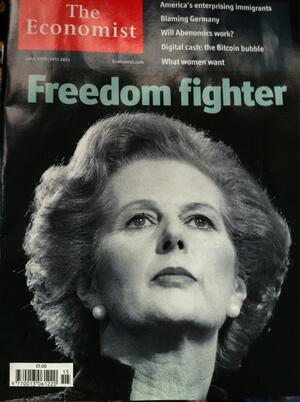
 The Economist’s Thatcher tribute.
Whoa there, horsey.



The Economist’s Thatcher tribute.
Whoa there, horsey.

Don’t remember this in the movie.
“Children who need to be taught to respect traditional moral values are being taught that they have an inalienable right to be gay.”
Margaret Thatcher, at the Conservative Party conference in 1987.
She had Jimmy Savile around for Christmas that year.
G0od times.
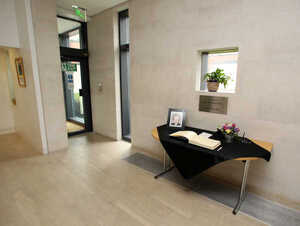
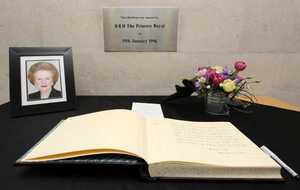 The book of condolences for Margeret Thatcher, opened today at the British Embassy, Merrion Road, Dublin.
Totally mobbed at lunchtime.
(Sam Boal/Photocall Ireland)
 Like an iron, female boss.
This morning’s Irish iTunes charts.
Thanks Sheila Larkin
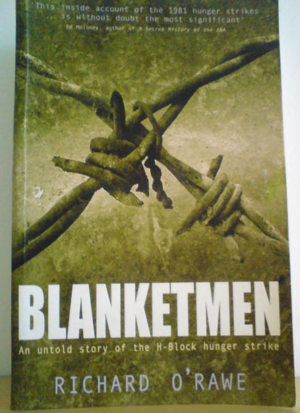
Richard O’Rawe, was IRA public relations officer in the H Block during the Hunger strike.
Writing on Ed Moloney’s blog ‘The Broken Elbow’, O’Rawe this week says he believes Gerry Adams not Margaret Thatcher must carry blame for most of the deaths during the hunger strike.
According to O’Rawe:
An offer was made to a committee headed up by Gerry Adams which would have gone some way to meet the prisoners’ demands i.e., prisoners could wear their own clothes, prison work would be “educationally based” and [they] would be segregated from loyalist prisoners in Long Kesh.
Danny Morrison delivered the British offer to the prisoners’ O/C (Officer Commanding) Bik McFarlane on July 6, 1981.
McFarlane, in turn notified O’Rawe, who said there was enough in the offer to end the hunger strike.
Within 24 hours, a ‘comm’ was received from Gerry Adams saying the offer was not acceptable and did not validate the deaths of the four hunger strikers.
A further six men died before the strike ended on October 3.
O’Rawe asserts that Adams and his committee should accept culpability in the deaths of those men and should be honest in their account of the strike.
Meanwhile, Gerry Adams in today’s Impartial Reporter says he was “very philosophical” about Mrs Thatcher’s death and could “forgive” her.
“It isn’t up to me to forgive her for what she did to the prisoners; that’s up to them and their families. I can forgive her, because I think we have to be about forgiveness. I can forgive her for anything that was done to me under her rule and I don’t have any problem with that – I actually believe in forgiveness. I just know as an individual; hatred or failure to forgive is most corrosive to the person involved as opposed to the perpetrator who mightn’t even be conscious of what you are thinking about him or her.”
Gerry Adams: I can forgive Thatcher (The Impartial Reporter)

The difficulty with giving a comment on Margaret Thatcher’s death to the British tabloids is that, no matter how calmly and measured you speak, the comment must be reported as an “outburst” or an “explosive attack” if your view is not pro-establishment.
If you reference “the Malvinas”, it will be switched to “the Falklands”, and your “Thatcher” will be softened to a “Maggie.” This is generally how things are structured in a non-democratic society. Thatcher’s name must be protected not because of all the wrong that she had done, but because the people around her allowed her to do it, and therefore any criticism of Thatcher throws a dangerously absurd light on the entire machinery of British politics.
Thatcher was not a strong or formidable leader. She simply did not give a shit about people, and this coarseness has been neatly transformed into bravery by the British press who are attempting to re-write history in order to protect patriotism. As a result, any opposing view is stifled or ridiculed, whereas we must all endure the obligatory praise for Thatcher from David Cameron without any suggestion from the BBC that his praise just might be an outburst of pro-Thatcher extremism from someone whose praise might possibly protect his own current interests.
The fact that Thatcher ignited the British public into street-riots, violent demonstrations and a social disorder previously unseen in British history is completely ignored by David Cameron in 2013. In truth, of course, no British politician has ever been more despised by the British people than Margaret Thatcher.
Thatcher’s funeral on Wednesday will be heavily policed for fear that the British tax-payer will want to finally express their view of Thatcher. They are certain to be tear-gassed out of sight by the police.
United Kingdom? Syria? China? What’s the difference?
Morrissey
 They called it the trickle down theory.
Margaret Thatcher’s legacy – in Facts And Figures (Channel 4)
Meanwhile…
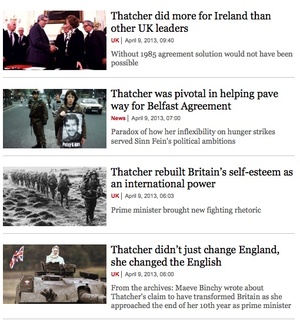
 Steady on.
The Irish Times‘ frankly glowing Thatcher coverage.
Ben writes:
Has the Daily Telegraph taken over the Irish Times? Seriously? WTF?
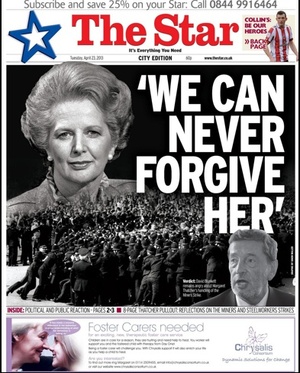 Sheffield Star
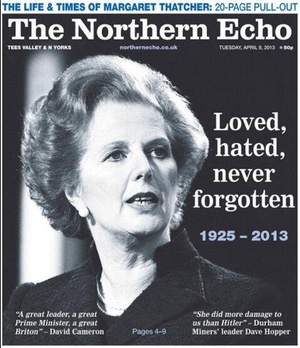 Northern Echo
 South Wales Evening Post
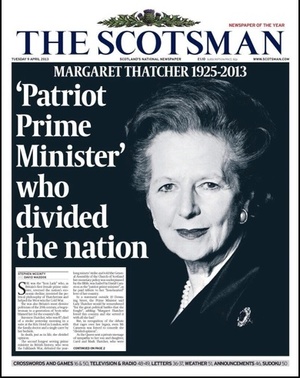 The Scotsman
Meanwhile, in Worcester…
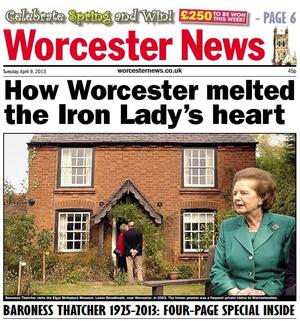 Worcester Evening News
