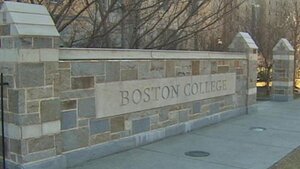
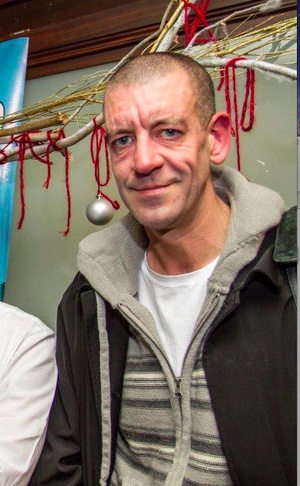
Diarmaid Ferriter (above) and Boston College (top)
Diarmaid Ferriter, Professor of Modern Irish History at University College Dublin. sat down with Hot Press magazine this week.
A gentle enough encounter until the subject of The ‘Belfast Project‘ was raised.
After the Good Friday Agreement former loyalist and republican paramilitaries gave a series of candid interviews that chronicled their involvement in the Troubles with the recordings held in a library at Boston College. Until things went horribly wrong.
Hot Press: “You lectured in Boston College for a year. Were you there when the ill-fated Belfast Project archive was being put together?”
Diarmaid Ferriter: Interestingly, it was going on in the background. There was great secrecy around it. We were told a few times, (whispers) “Boston College has a very important project going on with former paramilitaries, and they’re being taped for posterity.” And I thought that it was actually a very good idea. It was done in this country, which people forget, after the War of Independence, but they did it in the 1940s and ‘50s. They collected statements from the survivors. It was called the Bureau of Military History, and do you know when they were released? 2003! Now what those gobshites did was they didn’t get proper legal advice. They went and did these interviews, and do you know what the agreement was? “We won’t release these tapes until you’re dead.” If I made an agreement with you that I’ll talk to you as long as you don’t release this until I die, on the understanding that that will be well into the distant future, so that it would be history and not current affairs, what happens if I walk out and get hit by a bus and die?. That’s the fundamental mistake they made. They didn’t get proper advice, they kept it secret.
Hot Press: “Why?”
Ferriter: “There were people who were pushing their own agendas because they wanted this material either for journalistic reasons or for political reasons… and the whole thing was a mess. It could have been a very valuable project. So they got the worst of all worlds then because it became an issue for practices and procedures in relation to oral history, which were embarrassing for those involved. Remember, the history department in Boston College wasn’t even consulted about this. There were particular individuals within Boston College who were trying to control this for themselves and, again, they got high on their own sense of importance. They thought they were players in the peace process, and they made fools out of themselves.”
Gulp.
The full interview is in the latest issue of Hot Press, on sale now.
Thanks Olaf




