
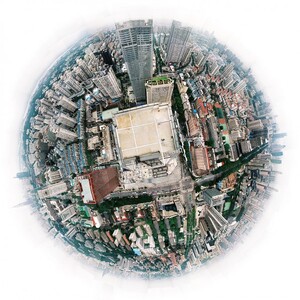

 Dutch photographer Wouter van Buuren’s extraordinary aerial collages shot from the top of cranes, pylons and buildings in China, the Netherlands and NYC.
Check out more, far higher resolution examples here.



 Oh.
Oh.
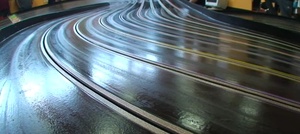
Slot geeks gather at the European ‘Wing Car’ Championships in Helsinki back in 2010.
It’s claimed that the custom made cars travel at scale speeds of 5000mph, which all sounds a bit mad until about the blink-and-you’ll-miss-’em race starts at around 0.50.

CRITICS OF the Government who claim it should not pay a €1.25 billion Anglo Irish Bank debt due tomorrow have never recognised the consequences of a default, Tánaiste Eamon Gilmore said.
Mr Gilmore, who is Minister for Foreign Affairs, said it was easy to argue against redeeming the senior unsecured bonds of the bank, but said there would be serious consequences in that event.
The Tánaiste was speaking in Brussels as foreign and finance ministers gathered for EU talks yesterday.
Both he and Minister for Finance Michael Noonan separately told reporters the Government would call a referendum on Europe’s fiscal pact if required, but neither said whether they were confident the public would back the treaty if asked.“Those who make the call for not repaying have never spelled out what those consequences are,” Mr Gilmore said in relation to the Anglo bonds.
Pointing to the gap between public expenditure of €52 billion and revenues of €33 billion, he said the question arose as to who would lend to the Government if it reneged on the bonds.
“If you don’t repay will people lend to you?
Gilmore says Anglo critics do not grasp default ramifications (Irish Times)
Meanwhile, in Dun Laoghaire…
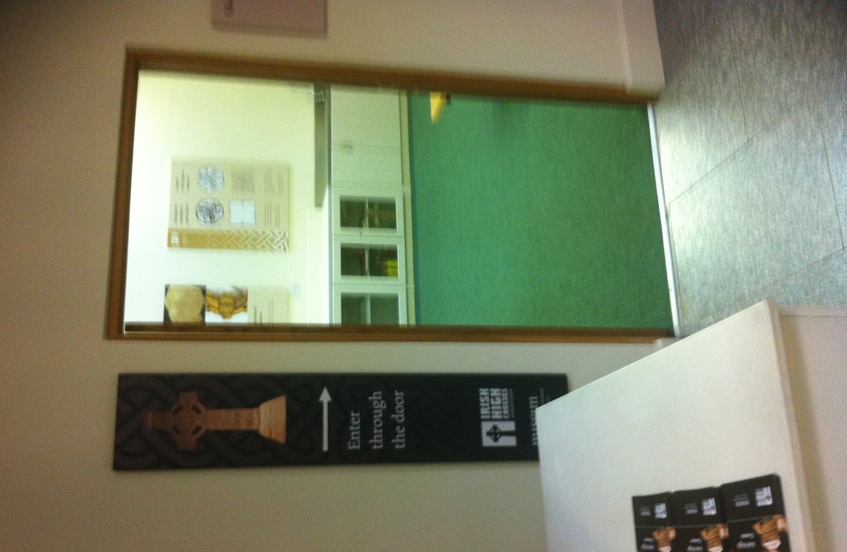
Mick McD writes:
I was about to enter through the window until I spotted the instructions….
 Mmf.
Mmf.
Spotted in Rathmines this afternoon

The following are some FAQs about the new web blocking legislation being pushed through the Dail.
Brooding legal type TJ McIntyre at IT Law In Ireland answers the questions. We hope he won’t mind us nicking some.
What’s this all about?
“Long story short: the Irish government plans, before the end of January, to bring in a law which would allow Irish courts to block access to websites accused of infringing copyright (and possibly do other things as well).”
What will the law say?
“We don’t have a final text yet. But the key part is likely to be similar to a previous draft which said:
3. The Act of 2000 is hereby amended by the insertion of the following subsection after subsection (5) of section 40:
(5A)(a) without prejudice to subsections (3) and (4), the owner of the copyright in the work concerned may apply to the High Court for an injunction against a person who provides facilities referred to in subsection (3) where those facilities are being used by one or more third parties to infringe the copyright in that work.
(b) In considering an application for an injunction under this subsection, the court shall have due regard to the rights of any third party likely to be affected and the court shall make such directions (including, where appropriate, a direction requiring a third party to be put on notice of the application) as the court may deem necessary or appropriate in all the circumstances.


