

By instachaaz.



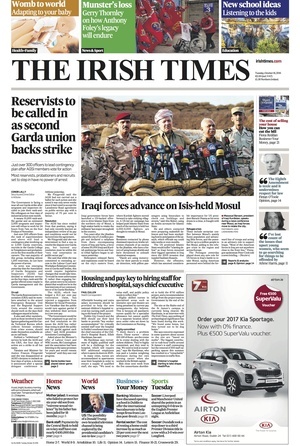

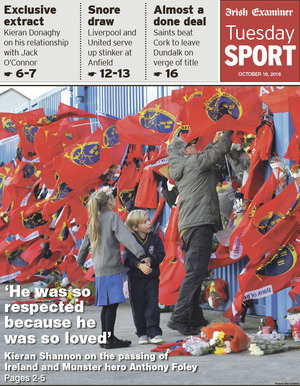


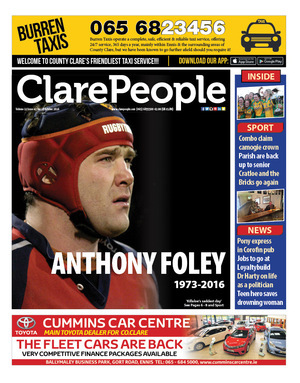
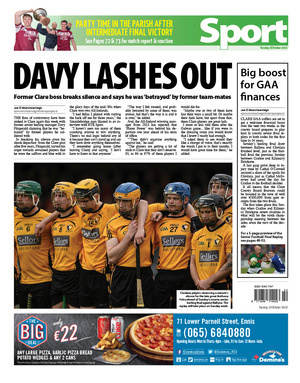




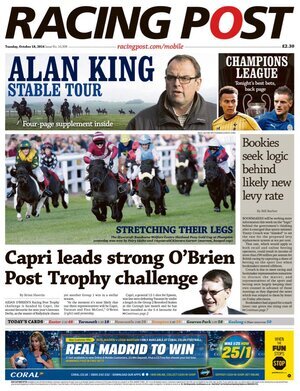

Individual garda sergeants and inspectors @agsi to join GRA strike on November 4,11,18,25 – in addition they wont use Pulse 21,28 Oct pic.twitter.com/6Gc7xq5Ddq
— Juliette Gash (@JulietteGash) October 17, 2016
#AGSI individual Gardai to join 10500 rank and file #GRA Gardai on strike for 4 days in November.
— Ingrid Miley (@ingridmileyRTE) October 17, 2016
Anarchy!

Нам закрыли счета в Британии. Все счета. ‘Решение пересмотру не подлежит’. Да здравствует свобода слова!
— Маргарита Симоньян (@M_Simonyan) October 17, 2016
The RT broadcaster’s accounts have been blocked in the United Kingdom, Editor-in-Chief Margarita Simonyan said Monday, suggesting that the move stifles free speech.
“Our accounts in the UK have been closed. All Accounts. ‘The decision is not subject to revision’. Long live freedom of speech!” Simonyan said in a Twitter post.(above)
Following Editor-in-Chief Margarita Simonyan’s statement on Twitter earlier in the day, RT UK said it had been informed by the National Westminster Bank that it “will no longer provide” banking arrangements with the broadcaster.
All of RT’s Accounts in the UK Blocked, Says Editor-in-Chief Simonyan (Sputnik)
Meanwhile…

Social media roars for WikiLeaks’ Julian Assange (Cnet)
Update:
Is this why #RT was dropped suddenly by #NatWest who is conected to #RBS?!#KeiserReport: ‘Stunned Commoners’ (E980)https://t.co/YEIOMh2sce
— Bubbawake Dúisígí (@bubbawake144) October 17, 2016
Meanwhile…
RIGGING THE ELECTION- Vid I: @HillaryClinton campaign & DNC incite violence at @realDonaldTrump rallies @dncpress https://t.co/9fzBukUb7V
— James O'Keefe (@JamesOKeefeIII) October 17, 2016
Good times.


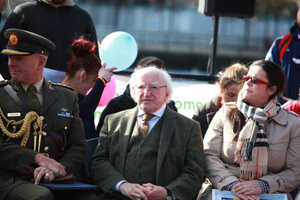
This morning.
Custom House Quay, Dublin
President Higgins marked United Nations International Day for the Eradication of Poverty with an address at the Famine monument.
President Higgins said:
“When strangers who arrive on our shores in need or difficulty are left in the uncertain limbo of direct provision for anything up to ten years, I am ashamed.
When homeless families are forced to live in one hotel room devoid of cooking facilities, and subjected to a dehumanising set of rules and conditions; when others without a roof over their head are condemned to wander the streets by day, and desperately seek space in homeless shelters by night, we as a nation are failing to display the necessary spirit of humanity on which a democracy should be built.”
Full speech here
Rollingnews

Ah here.
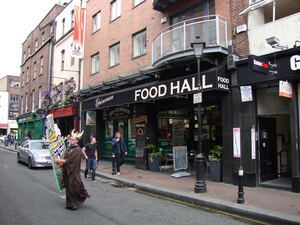
A new Dealz store (above) where the Food Emporium (top) was once located off Lower Liffey Street, Dublin 1.
Progress, dude.
Rollignnews


From top: Artist Joe Casllin and his mental health artwork on the abandoned Ard Rí Hotel in Waterford.
Waterford Walls writes:
Huge congrats to #WaterfordWalls headline artist Joe Caslin who received the @irishtatler Man of the Year Award for Art! on Friday…Inspirational.

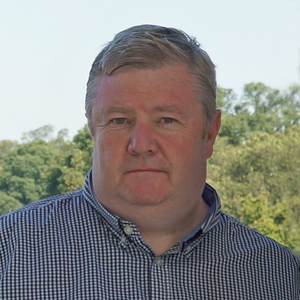
From top: Britain’s Prime Minister Theresa May, with Northern Ireland’s First Minister Arlene Foster (left) and Deputy First Minister Martin McGuinness, prior to their post-Brexit meeting at Stormont Castle in Belfast, Northern Ireland,on July 25; Derek Mooney
The onus now lies on the Irish government to take up the slack and communicate Ireland’s special island case across Europe in the interest of the 26 counties and in the interest of the North too.
Derek Mooney writes:
On Friday the Politico.eu website published details of the UK’s Brexit Cabinet Committee, including a who’s in and who’s out of which Cabinet Ministers had made it on to this powerful committee.
As Politico noted, controversially the secretaries of state for Scotland, Wales and Northern Ireland are not given permanent positions around the decision-making table. Instead they may attend committee meetings “as required” by the Prime Minister.
The significance of this omission should not be lost on us here. Not only is the British government struggling to come up with a clear and consistent negotiating position, it increasingly seems that issues relating to how Brexit will affect this island are now way down the priority list.
Within days of her ascent to high office, Theresa May went to Edinburgh to assure the Scottish First Minister, Nicola Sturgeon, that the Scottish government, along with devolved administrations in Northern Ireland, and Wales, would be fully ‘involved’ in the negotiations with the EU.
She did the same when she travelled to Cardiff and, eventually, to Belfast, as I discussed here at the time.
The UK government is now resiling from that commitment with its position shifting from having the devolved Administrations “involved” to only having them “consulted”. This is the phraseology the UK Brexit Minister, David Davis was using when he spoke in the House of Commons last week; telling an SNP MP:
“…we will consult and have detailed discussions with the Scottish Administration, and those in Wales and Northern Ireland, before we trigger article 50…”
On Sunday’s Andrew Marr Show, Scotland’s First Minister said she found it “frustrating, if I can be diplomatic about it” that Theresa May’s promise of being fully involved had not been honoured so far and suggested that she wants to see progress on this at a meeting of the heads of the devolved administrations with Prime Minister May next Monday.
Where the Scottish Government has been vigorous and active in its preparations, the Northern Ireland Executive has been languid and passive. Up to this weekend the only real action on Brexit preparations that the Executive had taken as a coherent unit was to write a letter to the British Prime Minister.
Not that the two main parties in the Executive: The DUP and Sinn Féin, have managed to do that much individually either.
Just before the summer the DUP leader and First Minister, Arlene Foster, managed to briefly scupper the Irish Government’s proposal of an island forum, while Sinn Féin did its usual trick of organising a few street protests calling for a border poll, neatly masking its masterly inaction in office.
This situation did change a little over the weekend with the Deputy First Minister, Sinn Féin’s James Martin Pacelli McGuinness, telling the Guardian newspaper that the EU should grant Northern Ireland special status.
He also said that the big challenge is “whether the government in the north and the south can come to a common position… about what we want to see come out of these negotiations.”
Doesn’t that presume that the executive in the North can come to an agreed position first?
Well… better late than never, I suppose.
I am sure that Mr McGuinness’s final discovery of a position yesterday had absolutely nothing to do with the Northern Ireland Assembly debating an SDLP motion today that there should be legal recognition of the unique status of Northern Ireland to safeguard the interests of the people of Northern Ireland.
The NI assembly is debating that motion as I write. Sadly, as with many major issues in the North that debate is being conducted in broadly sectarian terms with the SDLP, Sinn Féin and Alliance supporting the case for special status and the DUP opposing it. The UUP says it kind of supports the idea, but just not to the extent of actually voting for it.
The debate, or at least the portions I heard, are very far out of kilter with the views of the voters. Over 56% of voters in the North supported remaining in the EU, but the numbers get even more interesting when you look at the voting preferences of those who voted.
According to a major (sample size 4,000) Ipsos-MORI poll, conducted on behalf of Queen’s University, over 92% of those identifying themselves as SDLP supporters and 86% of those identifying as SF supporters, voted to remain. The numbers for Green and Alliance party voters are equally high at around 80% each.
On the other side only 30% of those identifying as DUP voted Remain, though the figure was much higher, at 46%, for the UUP.
The higher UUP figure may be due in part to the UUP leadership urging a Remain vote in the referendum, though it may also suggest that UUP voters are more middle class, as middle class unionists were more likely to vote Remain than Leave.
So, where does this leave us?
For starters it tells us that the many on the Unionist side are content to leave the views of 40% of their own supporters and the majority of the entire population of the North go unrepresented.
It also show that they will be facilitated in this by the meek response of an Executive, including McGuinness and co, who seem ill-prepared for consultation about, never mind full involvement in, actual negotiations.
The onus now lies on the Irish government to take up the slack and communicate Ireland’s special island case across Europe. This is in the interest of the 26 counties and in the interest of the North too.
The government’s “all-island Civic Dialogue on Brexit” which will meet on November 2nd is a reasonable start, though dropping the word “forum” from its title was a pointless concession.
But it is only that: a start. There is a great deal more work to be done if Irish interests are to be protected and safeguarded.
Derek Mooney is a communications and public affairs consultant. He previously served as a Ministerial Adviser to the Fianna Fáil-led government 2004 – 2010. His column appears here every Monday mid-afternoon. Follow Derek on Twitter: @dsmooney
As of today in Harold's Cross, I have officially seen it all. @broadsheet_ie pic.twitter.com/zOL2r41VfO
— Kyle Hughes (@hewskii) October 17, 2016
