

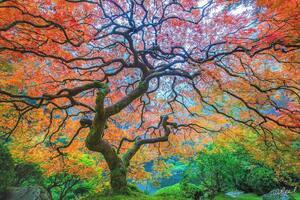


The vivid forests, mountains and babbling brooks of the Pacific Northwest captured by landscape photographer Aaron Reed.



The vivid forests, mountains and babbling brooks of the Pacific Northwest captured by landscape photographer Aaron Reed.

zefrank delves into the strange, subtle, occasionally not-so-subtle world of Marvin, Mildred and their fellow travellers.
Previously: Dogs In Therapy
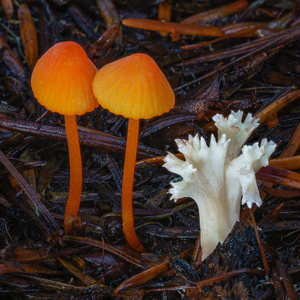


The mycelial landscapes of California-based photographer and ’mushroom and slime mould fan’ Allison Pollack.
Above: Mycena strobilinoidea and Clavulina; Leocarpus fragilis; Physarum; Crepidotus crocophyllus; Phillipsia domingensis; Willkommlangea reticulata; Ascocoryne sarcoides and Trichia; Didymium squamulosum; Cookeina sulcipes (‘Tropical Goblet’) and Physarum.

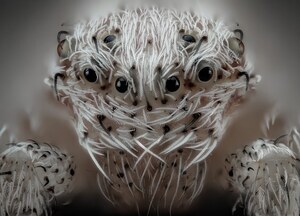


 Finalists from Nikon’s 2019 Small World Photomicrography Competition.
From top: a fluorescent turtle embryo by Teresa Zgoda (the overall winner) ; a ‘small white hair spider’ by Javier Rupérez; Depth-color coded projections of three stentors (single-cell freshwater protozoans) by Dr Ivor Siwanowicz; cells undergoing mitosis by Jason Kirk; a frozen water droplet by Garzon Christian and a housefly eye by Razvan Cornel Constantin.
See the rest here.

zefrank presents true facts about the sand bubbler crab, including that idiot David..
Previously: True Facts About Margaret

Behold: a very unusual form of large-scale electrical discharge known as red sprite – never before photographed at this level of detail. To wit:
Even though sprites have been recorded for over 30 years, their root cause remains unknown. Some thunderstorms have them, but most don’t. These mysterious bursts of light in the upper atmosphere momentarily resemble gigantic jellyfish. A few years ago high speed videos were taken detailing how red sprites actually develop. The featured image was captured last month in high definition from Italy. One unusual feature of sprites is that they are relatively cold — they operate more like long fluorescent light tubes than hot compact light bulbs. In general, red sprites take only a fraction of a second to occur and are best seen when powerful thunderstorms are visible from the side.
(Image: Stephane Vetter (TWAN))

zefrank presents deinopsis, the ‘Ogre-Faced’ Spider, or ‘Margaret’.
You may know her in-law from this cut-scene on ‘I’m A Celebrity, Get Me Out Of Here’
Previously: Cats On The Couch

A fascinating sequence taken from an upcoming PBS documentary ‘Octopus: Making Contact’ (you may have seen BBC2’s ‘Octopus In My House’) in which a sleeping octopus is observed by marine biologist Dr David Sheel who theorises that her colour changes are caused by cephalopodic dreaming.
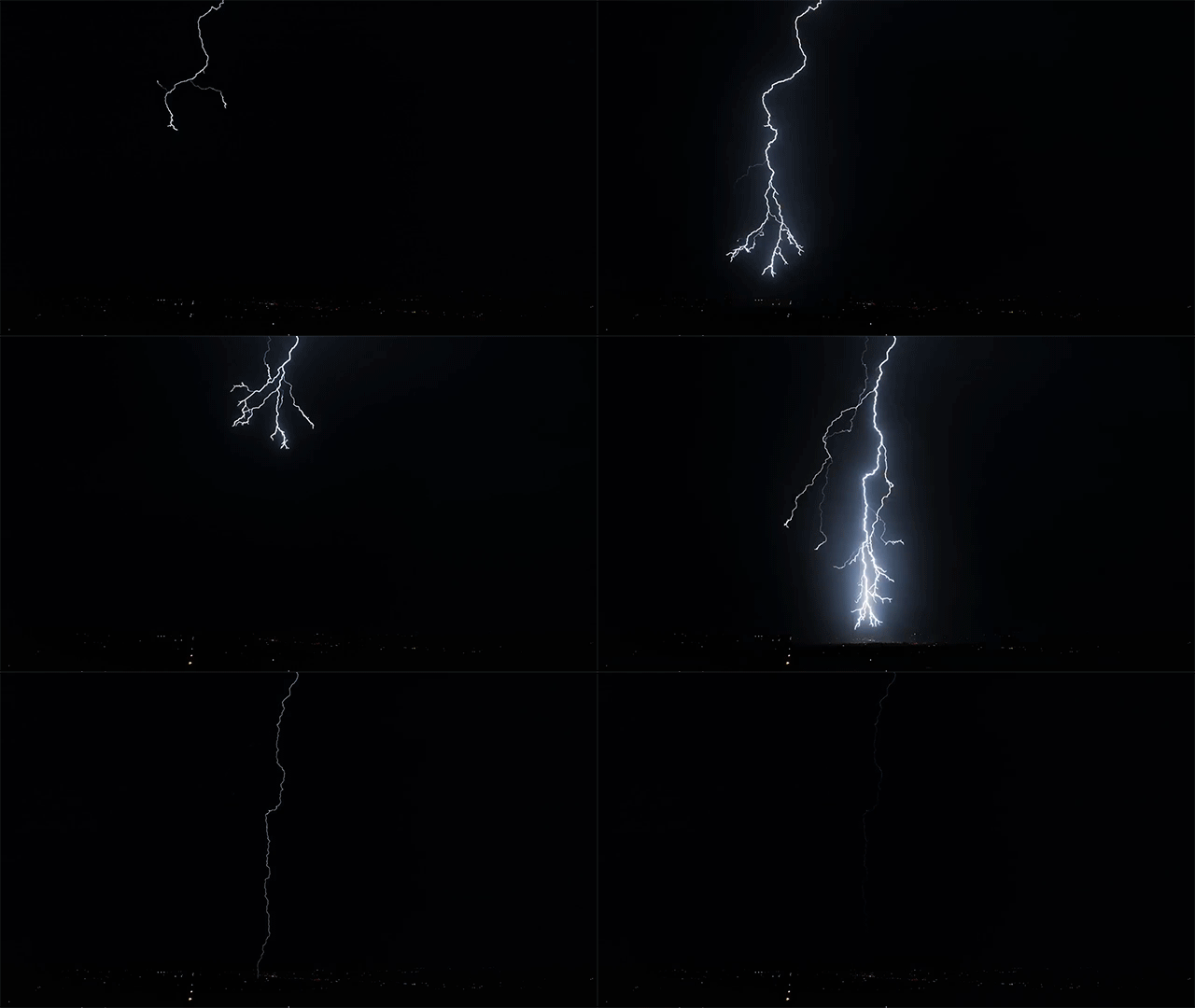

An evocative three and a half-minute sequence of lightning strikes and billowing storm clouds by Arizona-based storm-chaser and videographer Dustin Farrell.
Shot over two years and edited over 300 hours, it’s a sequel to this 2017 full-screener.
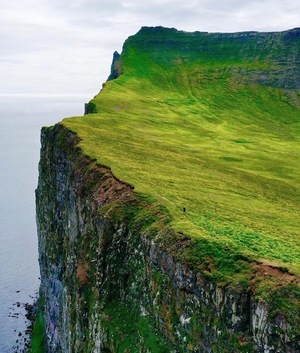
Incredible footage from American filmmaker Kraig Adams’ 100km solo trek through Hornstradir Nature Reserve in Northern Iceland.
