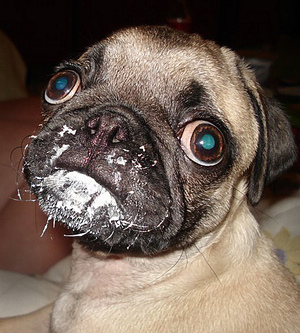
Actually no, it’s rabies.



Above: Kilroy Was Here (pre-WW2), Frodo Lives (1960s), Mad Magazine’s Alfred E Neuman (likely derived from 19th century anti-Irish caricatures) and the Sator Square (created at the time of the Roman Empire).
…you already know what a “meme” is. But you may not realize that the concept — a meaningless phrase, image or joke getting repeated endlessly for no reason at all — predates the Internet generation by a long shot. Although it was more difficult for a phrase or image to “go viral” before all this technology, pointless memes still found their way to every corner of the globe.
7 Memes That Went Viral Before The Internet Existed (Cracked)
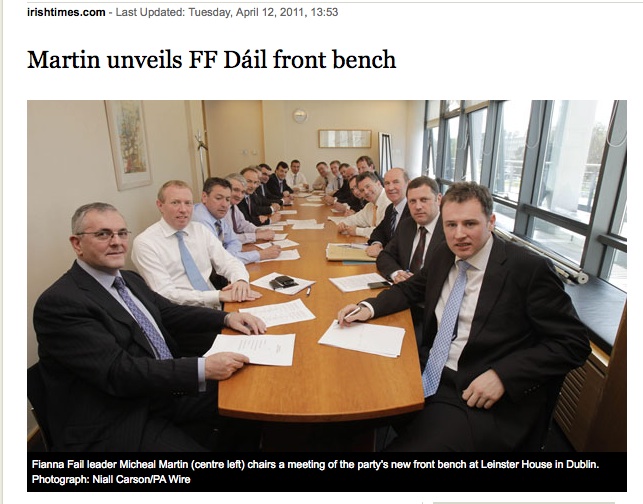 Photo taken in an upstairs corner of Burger King on O’Connell street.
Now, this is a picture that needs more qualifications than a brain surgeon. For a start, you wouldn’t wish Iceland’s fate on any economy. Huge spending cuts are still to kick in, and a lot more pain is in store. Thor Gylfason, an economist at the University of Iceland, reckons it will take another seven to 10 years before his country recovers from one of the worst economic disasters in recent history. This will be a long, slow haul.
But landed with an almost unbearable burden, Iceland has made the load easier on itself – and it has done so by getting tough with foreign speculators who lent money to the country at their own risk. In Dublin, on the other hand, as Irish MP Stephen Donnelly puts it, “the entire Irish people were made collateral for the banking system” – and its economic performance has not been remarkably better. More than that, there is a basic point about fairness: in Ireland, keeping the markets on side was deemed to be more important than keeping people in jobs – in Iceland, the priorities have been reversed.
Donnelly says that the Icelandic example is beginning to attract interest in the Dáil and in the media. An Icelandic politician was recently interviewed by Vincent Browne, the Irish equivalent of Jeremy Paxman. In the bust countries of southern Europe they’re also starting to take notice. Last week, on the day that Portugal finally admitted it would need a bailout from Brussels, I was talking to Joana Gorjão Henriques, a journalist from Lisbon. She told me that her contacts were pasting stories about Iceland on Facebook, and that newspaper columnists were using Iceland’s case as an example that Portugal, Greece and Ireland should follow – make an allegiance and say to the EU that they won’t pay the debt.
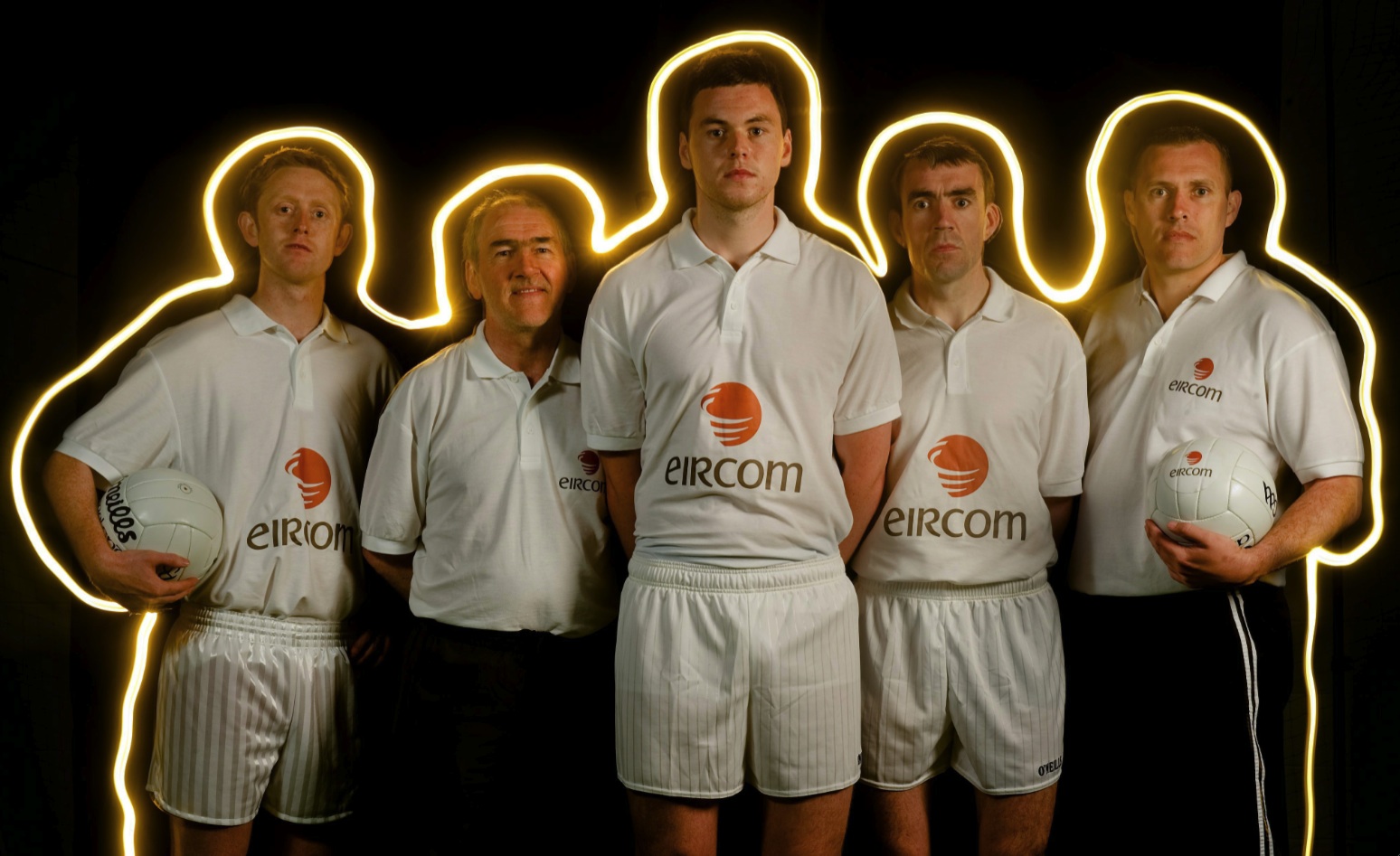
Eircom boss: “I want them to look like superheroes. Frightened superheroes.
Eircom creative: “Is superheroes one word?”
Eircom boss: “Never mind that. And I want a Ready Brek glow around their bodies.”
Eircom creative: “Ready Brek. Gotcha.”
Eircom boss: “But make it look like it’s one of those kids’ buzzer games where you can’t touch the sides.”
Eircom creative: “Operation?”
Eircom boss: “Good idea. We’ll call this Operation Body Glow.”
Eircom creative: “No ‘Operation’ is the name of the board game with the buzzer.”
Eircom boss: “This is no time for games.”
[To be continued]
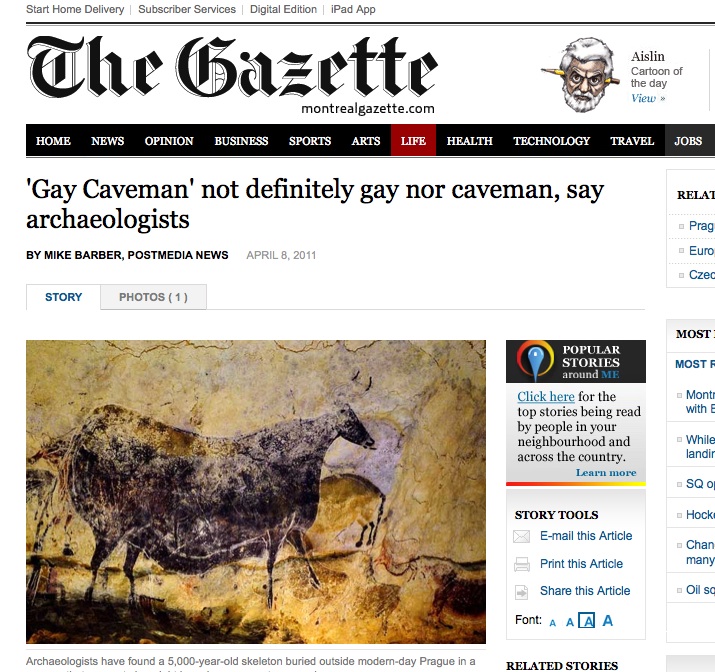 And our gaydar is usually spot-on.
Gay Caveman not definitely gay nor caveman, say archaeologists (Montreal Gazette)
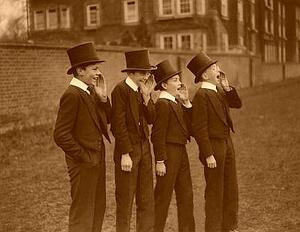
From the Irish Times, sometime home of “property porn” and the Points Race (run children run) comes another classic of the ‘keeping-up-with-the-Jones’ genre:
SCHOOL ENROLMENT figures provide a fascinating glimpse in parental choice. They help track which schools are seen as ‘successful’ and which ones are struggling to fill numbers. The lists published on this page track a decade of change in Irish education. They compare school enrolment figures for this school year with the position a decade ago.
And the first newspaper to protest against the introduction of league tables for schools would be?
Take your time.
Which Are The Fastest Growing Schools In The Country? (Irish Times)