
From top Gibraltar: Derek Mooney
The Rockies may tumble, Gibraltar may crumble, but a hard Brexit is here to stay.
Derek Mooney writes
The cheering and celebrating of some in the British media in the aftermath of the triggering of Article 50 reminds me of Billy Connolly’s description of the welders and riveters at the launch of a new ship.
Remember those old black and white Pathé newsreel scenes of laughing Clydeside ship-builders lining the quays, cheering loudly and waving their caps ecstatically as the ship they had been working on for months eased down the slipway into the river.
As Connolly observed, once the cameras had gone away the reality slowly dawned on the ship’s labourers they had in fact been waving goodbye to their jobs and their work was done and they were on the dole again.
So it is with Brexit. In the days following Theresa May sending her Article 50 letter we have seen and heard a succession of British commentators, politicians and Ministers, hailing this as a historic moment and the dawn of some new great age.
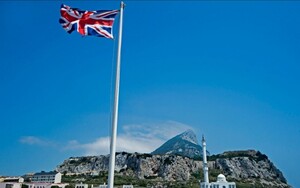
Indeed, it only took five days for former Tory Leader Michael Howard to go full steam ahead on the jingoism hinting at the possibility of the UK being prepared to go to war with Spain over the future of Gibraltar.
Five days earlier Gibraltar, which voted by 96% as a British Overseas Territory for the UK to remain in the EU, did not merit even one single direct mention in Theresa May’s six-page Brexit letter.
That was a huge error by the British government. It signalled that that Gibraltar was not a major concern. The Spanish saw this and acted. It sought a veto on future post Brexit deals with and, in a very smart move, it went on to say that Spain won’t block Scotland joining the EU, removing a not insignificant argument against Scottish independence.
Howard was not the only one at it. Arch Tory commentator Simon Heffer was calling for a return to imperial measurements. Out with the kilo, the kilometre and the litre and back with the pounds, inches and ounces. Back too with rods, chains and firkins? Why not dump decimalisation and bring back the groat and cock-fighting while they are at it?
No amount of huffing and puffing by any amount of superannuated Tory lords or pundits can distract from the harsh reality that the upper hand in the relationship between the UK and EU passed to the EU27 from the very moment Theresa May signed that letter to Donald Tusk. And that is the way it is going to be for the next two years.
Have no doubts have Brexit is going to be bad news for the UK and going to be even worse news for us. The next 18 months to two years are going to be a time of great uncertainty.
One element of that uncertainty is set to be soon played out in the Irish Courts with the lodgement with the Irish High Court last Friday of papers in a legal case taken by Jolyon Maugham QC along with three Green party politicians from Northern Ireland, England and Wales.
The details of their claim are explained on the Goodlaw Project website but, in brief, they want to ask the European Court (via appeal from the Irish Courts) to determine whether the UK can later choose to withdraw its Art 50 notice to quit, via referendum or parliamentary vote and also what happens to the EU citizenship rights of UK citizens post Brexit as EU Treaties seems to suggest these rights are additional to national citizenship?
These are important questions for us here as they touch on the Common Travel Area and trade between the UK and Ireland (the case also deals with membership of the European Economic Area).
As the Brexit negotiations get underway a whole range of issues will crop up, including some many of us had not considered as impacted by Brexit. One such potential area is data protection and data privacy.
There are strict rules under which companies can send the personal data of EU citizens outside the EU, in particular to the US. This this due to concerns that the US intelligence agencies could have unfettered bulk access to such data – as demonstrated in the Edward Snowden revelations.
Less than two years ago, the European Court of Justice struck down the old “Safe Harbour” system for sending personal data to the US. It did so following a case brought to the Irish High Court by Max Schrems over the transfer of data to the US by an Irish subsidiary of Facebook.
Safe Harbour has now been replaced by what the EU Commissions says is a more robust system called Privacy Shield in which the US authorities guarantee that the personal data of the EU citizens will not be accessed by US security services in bulk operations.
So, what happens to data transfers from the EU to the UK post-Brexit? The UK intelligence and security networks are not averse to a bit of bulk surveillance, especially with the powers they have just been given by the Investigatory Powers Act 2016 – also called the “snoopers charter”.
Will data transfers to the UK be put on hold while the EU and the UK negotiate a UK/EU Privacy Shield… and remember negotiations on this will not likely start until after the end of the two-year Article 50 period.
This could have some ramifications for us here as so many of the companies we deal with on a day-to-day basis, TV, internet providers, shops and grocery stores process our customer data in the UK.
They operate their customer loyalty programmes from the UK. Next time you call up customer service to check on a delivery, see how often you end up with a UK based call centre.
Brexit is a bad deal. Given the number of false promises it has been based upon, it may well be holed before the waterline.
Derek Mooney is a communications and public affairs consultant. He previously served as a Ministerial Adviser to the Fianna Fáil-led government 2004 – 2010. His column appears here usually every Monday. Follow Derek on Twitter: @dsmooney