Tag Archives: Marian Finucane

000da81c-440

From left: Sinn Féin TD Peadar Tóibín, Communications Director at the IRFU Stephen McNamara, Minister for Social Protection Leo Varadkar, Barrister and Irish Times columnist Noel Whelan and specialist in cross-border co-operation Caitríona Mullan before going on RTE Radio One’s Marian Finucane show on Sunday, February 26

Yesterday.

In The Sunday Times.

Stephen O’Brien reported that Ed McCann, INM group managing editor, Fionnan Sheahan, editor of the Irish Independent, and Cormac Bourke, editor of the Sunday Independent, had met with RTE’s head of radio Jim Jennings on March 3 to raise concerns about what they perceived to be an anti-INM agenda in RTE.

The meeting followed a Marian Finucane Show on RTÉ Radio One on Sunday, February 26.

During that show, the panel was: Sinn Féin TD Peadar Tóibín, Communications Director at the Irish Rugby Football Union Stephen McNamara, Minister for Social Protection Leo Varadkar, Barrister and Irish Times columnist Noel Whelan and Caitríona Mullan, chair of the International Centre for Local and Regional Development.

Amongst other things, the panel talked about the recent newspaper coverage of Fine Gael TDs Leo Varadkar and Simon Coveney and the future leadership of Fine Gael.

In addition, Mr Tóibín alleged that Niall O’Connor, political correspondent of the Irish Independent, encouraged Fine Gael TD Alan Farrell to name Sinn Féin TDs Dessie Ellis and Martin Ferris in the Dáil while he made a statement about the 1983 murder of prison officer Brian Stack on December 7 last.

A spokesman for INM later contacted the show, and Ms Finucane read out a statement denying the claim.

In The Sunday Times article, Mr O’Brien reported:

A source familiar with the March 3 meeting said INM went in “with all guns blazing” and claimed RTE admitted “they got it wrong on the show that morning”.

A transcript of some of what was said during that particular show…

Stephen McNamara: “I suppose the coverage in relation to it is extensive and, you know, if you do love politics then, you’re going to feast on the newspapers for today and the next couple of weeks. I think, sort of, for the lay person, maybe, who’s looking at it and I think that is definitely what people want: is to know more about the policies than the personalities and I think, during the week, what struck me about it is that we were starting to go down maybe the wrong road in relation to, you know, the background of the people and their family make-up and things like that.”

“And that’s actually something that troubled me from early on this week where we had, where we had sort of partners being mentioned and words like ‘attractive wife’ and things like that were starting to come in. So I think that was one area that troubled me during the week.

“I think the Sundays, there’s a huge amount to read in relation to it, in relation to the policies, I think it would be great to get back to that because there’s actually an awful lot of really good stuff happening in this country at the moment. You know – the number of cranes around the skyline…”

Marian Finucane: “They’re growing…they’re having babies again.”

Later

Finucane: “Noel, you were very annoyed about that coverage in the [Irish] Independent during the week?”

Noel Whelan: “Well, I have a very simple view that who somebody is, married or in a relationship, or whether they’re in relationship or not, is entirely irrelevant to the question of their capacity to do their job. In all professions, occasionally, the partner will be more prominent in the office or more prominent at, you know, work-related events than others. But, frankly, I think it’s largely irrelevant. I did feel that there was a sense that it was bubbling, not…what struck me was there was no political reportage from political reporters that this was an issue within Fine Gael, you know, in a Fine Gael contest.”

“It was simply the media and opinion, photographic editing and otherwise, the Independent newspapers, in particular, speaking to troll it effectively as an issue. I think the fact that it has been called out will play some part in pushing it back against. I wouldn’t be surprised if it reemerges later in the campaign.”

Finucane: “Yeah, Michael McDowell is writing on the back page of the [Sunday] Business Post and he says ‘I would not be so cynical as to suggest…’ and he goes on to say ‘a linkage between the new coolness to Leo and his apparent support for the INM pensioners. Leo went public about his discussions with the AG and the Pensions Board chairman to see if he could intervene on the side of the pensioners in their High Court litigation with INM in early December’ and he had said beforehand that you were the darling of the media, kind of up to that, and you got very, very positive coverage. Two questions: How did you feel when you saw that coverage during the week? And what do you think of that suggestion?”

Leo Varadkar: “Well, I think what Michael McDowell’s suggestion there is that because I took a position, supporting the pensioners and staff in Independent News and Media that maybe people higher up in Independent News and Media, you know, took exception at that. And that that might be the source of some of the negative coverage. I’ve actually no reason to believe that. You know? So, I don’t believe that’s the case. But that’s certainly one of the ideas and stories being put around the bubble if you like at the moment.”

“On the more personal issue, I think if you’re in politics you have to have a thick skin. I put posters of my face on poles, I knock on people’s doors uninvited, so you do have to accept a certain degree of attention to your life that you wouldn’t have if you were a private citizen. But, for me, my plan and my view is that: my private life and my family life are not going to be an issue in this campaign or any political campaign I’m involved in. And I really hope nobody else makes an issue of it either.”

Finucane: “Peadar?”

Peadar Tóibín: “Yeah, we have an oligopoly in the media in this country. We have a newspaper group that owns nearly 50% of the print media in the State and owns two radio stations. I’ve spoken to journalists off the record and they have agreed with me in my analysis of that affect over the rest of the political debate but they won’t call them out because some day they will need Independent News and Media to pay their mortgages…”

Finucane: “Very likely…”

Tóibín: “Etc, so, that’s one thing. Secondly, politicians typically won’t call out Independent News and Media on these issues because they know that, well, they’ve, they worry, at least, that they will be dealt with in a more abrasive fashion in those newspapers in the future. I think what’s happened in the last number of weeks with regards the focus on the personal lives of the people running in the election is disgusting to be honest. I think it’s absolutely shocking that that would happen…”

Later

Whelan: “Irrespective of who the politicians or the parties were, I just felt the concept of a newspaper trying to set the agenda about what the issues would be in a leadership campaign, in the initially subtle and then unsubtle way, in which the Independent newspapers were doing… and I’m conscious. I mean, I write for The Irish Times, they don’t tell me what to write. And if they did, I wouldn’t write for The Irish Times. But I am conscious that if you begin to comment on what any other media organisation is doing: particularly by one which buys ink in barrels to the extent of the Independent newspapers does. Then you always run the risk of putting yourself in the firing line. And I appreciate that’s sometimes the difficulty Leo and other politicians involved in these kinds of contests may feel they are in, that they can’t actually necessarily throw light on these issues because it’ll only compound the extent to which they become the focus of negative  publicity.

Listen back in full here

INM chiefs in ‘showdown’ at Montrose (Sunday Times, March 12, 2017)

Previously: Nudge, Nudge, Wink, Wink

CtMXYuZWEAA6OsB

Marian Finucane (right) hosting her show in September 2016

The weekend soirees from Hell.

How they doing?

Marian went from 387,000 to 372,000 on Saturday.

Marian also fell again on Sunday – going from 322,000 to 308,000…

Oh.

RTE women are big losers as latest JNLR radio figures reveal Claire Byrne, Marian Finucane and Miriam O’Callaghan are ALL down (Ken Sweeney, The Irish Sun)

Previously Marian Finucane on Broadsheet.


screen-shot-2016-09-19-at-02-57-36 finucane

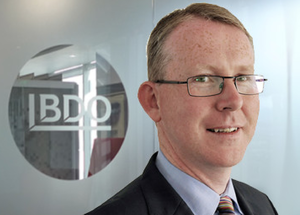
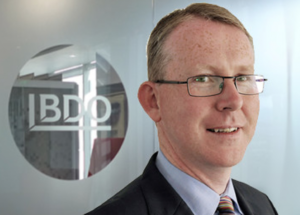
Nama audit committee chair Brian McEnery, a partner on the Corporate Finance & Recovery Team at BDO Ireland; and RTÉ’s Marian Finucane

Yesterday.

On RTÉ Radio One’s Marian Finucane show.

The chair of Nama’s audit committee Brian McEnery gave a one-to-one phone interview with Ms Finucane while her panel was in the studio, in light of the recent C&AG report into Nama’s Project Eagle sale.

Ms Finucane explained, before the 25-minute interview began, that the accountant, who was in London, did not wish to be a part of the panel discussion.

Ms Finucane didn’t mention that Mr McEnery was a member of Nama’s Northern Ireland Advisory Committee, of which Frank Cushnahan and Ronnie Hanna were members.

She also didn’t mention that Mr McEnery was director of elections for Fine Gael’s Michael Noonan, now Minister for Finance, before the general election in 2011.

Mr McEnery was first appointed to Nama on December 22, 2009, for a four-year term, by the late former Minister for Finance Brian Lenihan, while he was re-appointed for a five-year term on December 22, 2013.

The Northern Ireland Advisory Committee was established on January 7, 2010 and dissolved in September 2014, after the sale of Project Eagle.

In 2013, the then Minister for Health James Reilly appointed Mr McEnery as chairman of the Health Information and Quality Authority (HIQA).

Mr McEnery was also on the board of directors for Limerick City of Culture board in 2014.

In addition…

Readers may wish to note the following excerpt from the book, The Untouchables: The people who helped wreck Ireland – and are still running the show, written by the now Minister for Transport, Tourism and Sport Shane Ross and Nick Webb in 2012:

McEnery was a partner at Horwath Bastow Charleton, which, according to its website, ‘can support businesses in preparing business plans and in dealing with Nama and their other bankers’. In April 2012, he joined BDO Ireland as a partner.

The firm examined developer business plans on behalf of Nama and is on the state agency’s panel of receivers.

in June 2011, McEnery’s new employer was appointed as a receiver to developer David Daly’s Irish and UK assets. Daly owed €457million and was one of Nama’s biggest clients.

BDO was also a close adviser to one of Nama’s top ten clients, Dundrum Shopping Centre developer Joe O’Reilly.

Turlough Flynn, who works at O’Reilly’s Crossridge Investments, was listed as a guest of BDO at the Chamber of Commerce dinner in the Four Seasons in February 2012. Nama chairman Frank Daly was the keynote speaker that night.

Nama’s board is in receipt of commercially sensitive information, the kind of stuff that clients of a firm like BDO would kill for. Having the inside track on an organisation as secretive as Nama would be hugely valuable for dealmakers trying to buy assets from Nama or even for negotiations with clients.

McEnery will need all of his wits to avoid all the potential conflicts of interest that his new career move has brought.

But back to the interview…

Marian Finucane: “Brian McEnery, good morning to you, and you’re welcome to the programme.”

Brian McEnery: “Good morning, Marian, thank you very much.”

Finucane: “From your perspective, can you address this secrecy issue?”

McEnery: “I will, Marian. Well, I’ll try my best. We’re, I suppose, in a way, Marian, we’re like a bank. And, when you’re dealing with a bank, but it’s even worse cause we’re dealing with a bank which is effectively trying to deal with debtors where their assets are distressed. And that means that a lot of value they once upon a time had, or felt they had, is now gone, and so, it is, the relationship, quite frankly, I suppose, is that it is around distressed debt. And, for us, take the one or two times, Marian, and you say, I do need to say, it isn’t as if everything has been perfect in Nama, there have been one or two leaks…”

Finucane: “Oh my goodness.”

McEnery: “…of information.”

Finucane: “Uh-hum.”

McEnery: “And when that happened, you know, we came in for a mighty, mighty amount of criticism that items of information got out into the public arena and so, in some ways, and I believe we justifiably got criticism for that. Former employees of Nama who intentionally did things wrong and, but, in those instances, you know, the secrecy is terribly important around debtors’ commercial dealings, the level of debt that they have outstanding, how it’s going to be best achieved, income on behalf of the State and if we did operate in a much more transparent way, I think, we would not get the same kind of yield that we have got back on behalf of the taxpayer. So, to go back to your discussion a minute ago…”

Finucane: “Uh-hum.”

McEnery: “Where, it was said, if it was known about the strategy, as to the realisation of the Northern Ireland portfolio, wouldn’t that damage Nama’s commercial interests and that is true, Marian. If there is a lot of information out there, which is commercially sensitive, it absolutely will damage the commercial interests of Nama which is the commercial interests of the taxpayer.”

Finucane: “Well, what people are puzzled by, is that if Mr Cushnahan informed Nama that he was acting for six or seven of the clients, he would have been part, maybe not, we don’t know, it’s an allegation, of the actual figures, but he would have been aware of the strategy?

McEnery: “I tell you. So. To go back into talking about Mr Cushnahan for a second and it’s, I think, you’ll, you’ll recognise it’s important that I don’t say that he has done anything wrong…”

Finucane: “Absolutely..”

McEnery. “Yeah.”

Finucane: “Absolutely…yeah.”

McEnery: “Those investigations are ongoing and we’ll see where they go to. But. Firstly, I can tell you, if, if they do come out to be true, there will be nothing form my perspective other than utter disgust. However, that said, originally, Marian, the Northern Ireland government wanted a director on the board of Nama. If that had happened, I believe we would be in a terrible place now – if we had the same cast of characters. [Late former Finance Minister] Brian Lenihan resisted very heavily and, clearly [Finance Minister] Mr Noonan has done the same. That was a recurring request, from the Northern Ireland government, that it wouldn’t just be on a little committee of Nama, that it would be at the main board, thankfully that didn’t happen. In relation then, and on the basis, of some element of diplomacy, this Northern Ireland Advisory Committee was established. We continuously resisted the request for board membership from Northern Ireland, for good reason. It’s the Irish taxpayers that are, the Republic of Ireland taxpayer who’s funding this, not the Northern Ireland one. So, that was resisted, and that is really the critical point. In terms of Mr Cushnahan and the Northern Ireland Advisory Committee – he was nominated by the DUP. And the other nominee was Brian Rowntree. They were the two nominees on it. We absolutely made it clear, from day one, there would never be a debtor discussion, of any description, there would never be a screed of information about a debtor given to the Northern Ireland Advisory Committee. They never saw…”

Finucane: “But, presumably, they would have known of the decision to get rid of the loans, all in the one go, so to speak. And they…”

McEnery: “In actual fact, Marian, when that arose, the Northern Ireland Advisory Committee was not consulted…”

Finucane: “But would they have been aware of it?”

McEnery: “I don’t believe so. When. Because. It was kept from the Northern Ireland Advisory Committee, in actual fact, we didn’t meet. The Northern Ireland Advisory Committee would only meet periodically.”

Finucane: “Uh-hum.”

McEnery: “And when Nama, as a board, was making its decision making around, around this, it did not consult with the Northern Ireland Advisory Committee.”

Finucane: “So, what did you talk to the Northern Ireland Advisory Committee about, when you met?

McEnery: “I tell you what we did talk about, we talked about commissioning research from the University of Ulster, around the property indexes in Northern Ireland and whether property was going to generally going be going up or going down or, that’s what we talked about, we kept it intentionally at a very, theoretical high level. And I can tell you this: in terms of the so-called data that Mr Cushnahan had, he didn’t get it from Nama. Because if he did, the data would have been right and it was very wrong. It was up to 80% out on some of the balances in relation to the Miskelly letter. So, he didn’t get it and I think, quite frankly, I believe, and my sense is, that Mr Cushnahan was peddling influence that he didn’t have..”

Finucane: “Well..”

McEnery: “Peddling that he had data which he didn’t have.”

Finucane: “Well that remains to be seen now and there will be investigations done on that. It is alleged that, in some of the sales, if we leave the [Project] Eagle one aside for the moment, that, in some of the sales, and I presume aggrieved debtors, that the property changed hands, big property, big money, was sold off at such a low price, that it was flipped by the buyer, within one or two years – is that true?”

McEnery: “Marian, I tell you what we, what we do. We have a very, very robust process. And, you see, take, take a house, Marian, as an example…”

Finucane: “Uh-hum.”

McEnery: “I want to give you a very fair but accurate answer.”

Finucane: “Yeah.”

McEnery: “Say you buy a house and I’ve sold it to you for 100,000 but let’s say, nobody knows, Marian, that you might have put in another 20,000 euros into it and redecorated it because I hadn’t put any money into it in 10 years beforehand and you go and sell it for 125,000 and you’d say, jeez, they made a 25% increase on the value of the property, wasn’t he an awful fool for selling it for 100,000 euros..”

Finucane: “But if you go back to the principle of the bad bank, my understanding of the bad bank was that you took the toxic loans off the balance sheets of the banks.”

McEnery: “Correct.”

Finucane: “…to allow them to function and the idea was then to hold on to some fantastic properties until the market would start to rise again which it has always done. But it seems that..but, just to come back to this.. because from more than one story, I was told by three different sources, about certain properties and the loans were sold off, say at around 200million and were flipped for 400million.”

McEnery: “Yeah, you see, you just don’t know what happened the assets in the intervening time period, Marian.”

Finucane: “In a very short period of time. In other words, there was a feeling that there was a fire sale going on and that there was a rush to get rid of all this…”

McEnery: “I tell you what we did..”

Finucane: “Instead of holding on to it, which, I understood, was the principle behind a bad bank.”

McEnery: “No, absolutely So, we took the assets over in 2010, Marian and the objective was, was to have all of Nama completed by 2020. Government sent Nama the objective of expediting that to 2018 – for the benefit of the sovereign, for the benefit of Ireland to get back out and show that it was dealing with its issues and 2020 became 2018. So that’s fine. And that became our objective but to do exactly what you have also said, Marian which was to be, to give you an example, Project Jewel, Dundrum Shopping Centre held until we were at the very height of the market and sold for about a billion euros profit into Nama. Other assets that we have dealt with, sold, now what we did do in the early days of the strategy, was not to, was in actual fact to try and sell the London assets because there was good yields in London property and, aswell as that, if we put a lot of the Irish property into the marketplace in 2010 and 2011, we’d have made the Irish property market an awful lot worse so we did warehouse Irish property and it was only, as you know, in the relatively recent times that we sold off, and we are still selling some of the prime assets and I can tell you we are making profits and, overall…”

Finucane: “But, if you take the overall sums you’re dealing with.”

McEnery: “Yeah.”

Finucane: “Like 2 billion, we’ve got so used to billions in this country, that we talk about them like snuff at a wake but, anyway, in the order of things, proportionally, 2 billion doesn’t seem like a huge profit, given the level of billions we’re dealing with?”

McEnery: “Well. Ok. What are we going to do, so? The goals have been set that we develop 20,000 housing units and we further do out and put in all the infrastructure and to put office accommodation into the Dublin Docklands. That’s the, the three objectives now of Nama, at this point in time are: continue to sell off the loans and deleverage and to repay the bonds. The original objective and it was the prayer, I think, of all Irish taxpayers back in 2009/2010 was that Nama would not lose money and there was an awful lot of commentary that this was going to be a disaster; it was going to be an unmitigated burden on the taxpayer forever more. It won’t be, Marian. We are guiding that we will make a 2.5billion euro profit…”

Finucane: “On what turnover?”

McEnery: “On. So. We, we issue bonds to the tune of about 32billion and we will repay both the senior and the subordinated bonds and we will make a profit for the exchequer of about an extra 2.5billion. It may vary upwards by the end of the day but that’s what we’re guiding at the moment. In addition, we will have developed 20,000 housing units by 2020. We’ve over 4,000 developed in the last year and a half and we will put infrastructure in the Dublin Docklands which will allow big new companies to come into Dublin city centre. That’s, they’re the three objectives but it won’t be a loss, it will be a profit..”

Finucane: “Yeah but..when you say a profit, that sounds very positive and we’re all very glad, thank you very much for any profit we can get but you couldn’t call it a mega profit.”

McEnery: “No, no it isn’t a mega profit..”

Finucane: “No.”

McEnery: “But you know what…when we bought the loans..”

Finucane: “It comes back to the point that if you take the story about the 200million flip to 400million, you know, it looked like this was a fire sale and I know that on that one, the person involved had never missed a payment to a bank and it seemed that they were all treated the same way – whether they were performing or whether they weren’t performing and, indeed, that was the point that Mr Kelly was making in his article today, too.”

McEnery: “Well, Marian, and I listen to your, I listen to your programme every Saturday and Sunday.

Finucane: “I’m delighted to hear it.”

McEnery: “I’ve heard debtors who give out about Nama on your programme, and I’ve heard debtors who come in and say Nama is tough to deal with but we’ve got on, we’ve had a relationship with them and we’ll continue to develop with finance that Nama has put out. I can tell you, but truthfully, we would, we would, there would be a much, much, much bigger issue for the Irish taxpayer if people were coming on, saying Nama is nice, they’re great people to deal with…”

Finucane: “The other thing is, some of these guys, and I’ll come back to the Eagle project then, some of these guys that we’re talking about, would have described in the past as like masters of the universe and, as I understand it, from another contributor on the programme, who used to work with Nama, and she was saying that they, the debtors, had to sign a confidentiality. Now I fully understand how Nama has to be, have to have confidentiality about everybody’s business. But each individual should surely have the right to talk about their own business and they were terrified to.”

McEnery: “That was around the original business planning and, I mean, ultimately, when you say that it’s important that Nama keeps its strategy close and plays its cards close to its chest because that’s important in delivering value to the taxpayer, that’s what we try and do, we do try and ensure that if, that if there’s a strategy agreed with debtors that it’s not, no more than, if you go in and you borrow from, from other banks..”

Finucane: “Yeah.”

McEnery: “You know, you don’t go around, telling other people exactly what you’re…”

Finucane: “But I could, I could, like the bank couldn’t. But I could. And I could say I borrowed 125,000 to buy a house off Brian McEnery, I mean I can say that because it’s my business. I mean the bank has to retain confidentiality but I can tell the pope of Rome if I want to..”

McEnery: “Yeah. Well. I can tell you this. If a debtor, and we are working with a number of debtors around Dublin where they’re building houses and they’re absolutely perfectly free to go out and talk about their interactions. We would actually be happy for them to go and talk about their interactions with Nama.”

Finucane: “Then why did they have to go and sign a contract to say they wouldn’t?”

McEnery: “That was in relation to the original business planning process. They don’t now, they don’t now have to go off and sign confidentiality agreements.”

Finucane: “All right. Now, every time it comes up at the PAC, the Public Accounts Committee, about the non-answerability, the secrecy, oversight and all of that, it has always been said, by the two gentlemen, oh the C&AG, the Comptroller and Auditor General’s office has oversight, we are answerable to the Comptroller and Auditor General, as somebody said, it was the blanket behind which it was hidden and the minute the Comptroller and Auditor General says, I don’t like this, I’m not happy with that, you get very, very exercised. We have invited Nama, for a spokesperson on this programme, I cannot tell you how many times and not a dickie bird, not questions to be answered and I’ve no doubt that other journalists, and print journalists, have done the same. But, out of the traps, was Frank Daly. Then we see Brendan McDonagh iand thank you very much for coming on our programme but you don’t accept the Comptroller and Auditor General’s authority?”

McEnery: “No, and I’m going to tell you why. I’m going to tell you why. And I’m glad cause I’d like a minute or two to talk about this, if I could. And, firstly, I’d be delighted to come on the Marian Finucane show anytime..”

Finucane: “Oh, well, that’s good, thank you.”

McEnery: [Laughs] But. So. I’m an auditor and accountant myself, that’s my background, Marian. And I’m chairman of the audit committee [at Nama]. I interact with the C&AG every month. It comes to our, or his [Seamus McCarthy] staff come to our audit committee meeting and, you know, when I do hear Michael McDowell saying, it’s wrong, the C&AG shouldn’t be challenged. It’s wrong for anybody in Nama to say that Nama shouldn’t be challenged..”

Finucane: “He didn’t actually say that. What he said was: neither speaks ex cathedra. He was referring to yourself and to the Comptroller and Auditor General. That’s [him] writing [in the Sunday Business Post] today.. in other words, neither party, everybody should be questioned in other words.”

McEnery: “Ah well, yeah. Let me. So. I believe, and I’m going to try and go through the, go down through one or two points as to why I believe, as an experienced auditor, I’m president of our accounting body and I’m going to try and tell you why I believe he’s wrong. Firstly, I do agree with somebody who said if the C&AG is right, Nama is wrong. And for Nama to be right, the C&AG has to be wrong. And I think he is wrong and I’ll tell you why. Firstly, I think it was [former Labour leader] Pat Rabbitte said, earlier on, the discount factor of 5.5%. It’s as if they’re the prima facies in the whole of Ireland, the United Kingdom and Europe to use a discount factor of 5.5% – it’s ridiculous.

I made my decision that this was the right thing to do. The carrying value of the loans, Marian, at that day, at the 31st of December, 2013, was 1.48billion pounds. I said the minimum discount factor, because these, and another one of your commentators is absolutely right in saying these were poor and secondary Northern Ireland assets and they were assets out of the north of England. We had German, one or two Northern Ireland borrowers had German assets, we sold those off separately. So, these are secondary assets, it would be at least a 10% discount. C&AG has we’ve made that point to C&AG on a number of occasions and how he can say that a 5.5% discount is the right discount factor to use, is, in my opinion wrong. Now, second thing is originally the C&AG went out and tendered for expert commercial advisory services, to help him with this report. He didn’t get any and he didn’t appoint any and, as a consequence, I think even by the fact he went out looking for it is an indication that he did not have good commercial expertise on this and this is ultimately…whether the taxpayer got…”

Finucane: “Yeah, but, do you know, can I just cut across you there?”

McEnery: “Yeah.”

Finucane: “I mean I have no doubt of the good intentions of everybody that’s involved on your board. But you could equally say about Mr Daly, he was a civil servant who was a head of Revenue, which would have had very little indeed…”

McEnery: “Sure.”

Finucane: “To do with the kinds of deals you’re talking about now but presumably you learn as you go along?”

McEnery: “No but now, there’s a big difference Marian, we do appoint external experts, we do not make a decision without that expertise, we had Lazards. We would not have been able, as a board, to make that conclusion that this was the right thing to do. So..”

Finucane: “And did you, at any stage, consider breaking up the package?”

McEnery: “Oh we did, we did, one of your commentators…”

Finucane: “And why did you decide against that?”

McEnery: “One of your commentators this morning said this was a very big portfolio to bring at 1.3billion. In actual fact, we’ve done transactions on the size of 3billion. There are players, Marian, in the marketplace, these big companies that you talked about: Pimco, Cerberus, loans that are, there’s many of these there and in actual fact, quite truthfully, if they’re not of a certain size, they won’t participate. They need..”

Finucane: “But doesn’t that not also exclude people who would be lesser mortals than Pimco?”

McEnery: “Correct, that is true but, ultimately, we’ve got to try and devise the best strategy that we believe will ultimately get the best value. Now.”

Finucane: “OK.”

McEnery: “A little question, though, Marian is C&AG, and as I said, I interact with him 10 or 11 times a year. He did the audit himself in 2013, he did the audit in 2014. Project Eagle was across those two years. He gave us clean audit reports, he looked at Project Eagle, he didn’t say there was a problem with Project Eagle in 2013 audit or the 2014 audit. Yes, an audit is about the truth of the financial statements but it’s also about, do the controls exist to maximise the return to the shareholders. He gave, the C&AG looked at that twice before this report and he signed off a clean audit report. The next and most important thing and fair process is awfully important and I’m chairman at HIQA and when we do an investigation in HIQA, where it’s complex, we get external expertise to assist us. So, for instance, in the Portlaoise inquiry, we had four external experts. We always meet with the party that we’re investigating. I requested three meetings with the C&AG and he refused to meet…”

Finucane: “Well.”

McEnery: “I have to say, I think that’s wrong.”

Finucane: “Well, I mean, clearly, you’re all very cross indeed with the Comptroller and Auditor General but the fact is that he is a constitutional role within Ireland and he’s a very important person as the guardian of our financial welfare so to speak. So, I presume there is now going to be an inquiry..”

McEnery: “Well he is important and, you know what, it isn’t easy for me to, it isn’t, I’m not happy coming out and saying this but I don’t think there was proper process. He didn’t meet Lazards, our expert advisors, for instance, I mean, it’s hard to, it’s hard to see how somebody could come to a conclusion but I want to say one other important thing…”

Finucane: “Yeah, and then I’ll have to go, yeah.”

McEnery: “Yeah, which isn’t known. We get, we got a number of drafts from the C&AG, where he was doing his work and he’d send a draft. We’d go through it and then put in a response and that happened on maybe three or four occasions. And in every one of those, the word [s] ‘potential loss to the taxpayer’ was inside in it. When, when he published it, without us having a chance to go through it and having left us with the previous version which is that there was a potential loss of value to the taxpayer, he changed his wording and said there was a probable loss…”

Finucane: “Well, there you go. He arrived at that conclusion.”

McEnery: “But, well he did, but I mean, ultimately, when you talk about interacting with somebody you’re investigating, you don’t let them know about that. I mean, that’s. I have to say, that’s, I thought that was extraordinary. He gives us the draft and, down on them, the one where he asks us to give us the comment back on the word, there was a potential loss, which we would contest anyway…”

Finucane: “But I mean obviously you would because you had arrived at the decision. But it doesn’t necessarily mean that you are infallible..”

McEnery: “No, we’re not..”

Finucane: “The general tone, from Nama, is one of absolute infallibility..”

McEnery: “No.”

Finucane: “No queries, no questions, no criticism, no differences of opinion, it could be the fact that the man, and his office, differ in their opinion to the opinion of your board and that’s..”

McEnery: “But I’m trying to say, Marian, there is a process and that process would be at very much variance with how investigations would be done by, for instance, HIQA, as an example..”

Finucane: “Ok, listen, I’m going to have to, I’m going to have to leave it there cause I’ve to come back to my panel here in studio, Brian and thank you very, very much indeed for talking to us this morning. That was Brian McEnery of Nama. We’ll take a break.”

Listen back in full here

Previously: ‘The Taxpayer Got Full Value For Money’

‘A Probable Loss Of Value To The State Of Up To £190million’

pathickeymarianfinucaneamjames

From top: Pat Hickey; Marian Finucane and Hickey family solicitor Anne Marie James.

Further to Joe Duffy’s grilling of a Rio police officer on Thursday’s Liveline on RTÉ Radio One…Solicitor Anne Marie James appeared on this morning’s Marian Finucane Show, also on RTÉ Radio One,  to elaborate on yesterday’s statement on behalf of Pat Hickey’s family.

Ms James, of Kirwan McKeown James, represents the family of the currently jailed Olympic Council of Ireland President.

Contains: unusual heart condition, a miracle baby and naked trolling.

Grab a large tay.

Marian Finucane: “I’m joined in the studio this morning by the woman who is essentially making all the headlines today, but not in her own name, but as the solicitor for the Hickey family, she’s Anne Marie James and you’re very welcome into the studio.”

Anne Marie James: “Thanks Marian.”

Finucane: “And I gather you’re afraid i’m going to eat the face off you, which I’m not.”

James: “Well it’s not my normal day job.”

Finucane: “I can get that, I understand that fully. Now you want to say you’re solicitor for the Hickey family, not Pat Hickey.”

James: “Yes, I don’t represent Mr Hickey.”

Finucane: “Right. And when you issue the statement yesterday can you go through how you, well you on behalf of your client, the main concerns and points that they want to get across.”

James: “The family are devastated, this is a most bizarre situation for them they are four children, five grandchildren, two other babies on the way, one of whom is a miracle baby.”

Finucane: “What do you mean a miracle baby?”

James: “Well, with great effort, we’re hoping that there’ll be another baby, the family are hoping there will be another baby, that is obviously just a bit a background to the stress they’re under at the moment.”

Finucane: “Yeah. What’s the age range of the family?”

James: “Approximately 40 down to 28. I know Fred, who is the eldest of the family and it was Fred who approached me and asked if I would help them to try to work out what they could do to help their father. While Mr Hickey’s wife was over there she said they shouldn’t get involved because the OCI had briefed lawyers she said it was a total misunderstanding and was going to be sorted out in a matter of a day or two, I think since she’s come home she’s realised how isolated she was from everything and the enormity of it when she got home, it was only then…”

Finucane: “And was it he who insisted she come home?”

James: “Yes, it absolutely was.”

Finucane: “And had she gone in to see him at that stage?”

James: “No, it takes 20 to 30 days to get in to see him and for that reason he insisted she went home, he was also afraid she would be arrested and the rest of the Irish contingent would be arrested so he asked them all to go home even though they were all asking to stay and support him.“My brief was to try and steer the family, what do you do in a situation like this, and while I’m a commercial lawyer, I have a very passionate interest in human rights and as I saw it playing out it disgusted me and more importantly I wanted to see what I could do to help them with their concerns which were mostly round his safety in a very chaotic political system, in a high security notorious prison, the conditions of which are pretty appalling, I think you can see from all the papers and the concern about his mental health given the manner in which he was arrested, the trawling of pictures of him in a state of undress across the world media, and how that’s feeding into his physical health. I think for any of us to be trawled in a state of undress against any paper, that would be devastating but this man is internationally known, this man is a very private man and family man in Ireland but a very public figure abroad and he is a member of the International Olympic Council of which I think there is only 150 members and you have to be invited to be asked so he is a well known and well got international figure despite the hatefest and the clear antipathy to him here.”

Finucane: “Why do you think there’s a hatefest, It struck me as kind of remarkable from the very beginning that normally you have hate figures sometimes there are bankers sometimes they are politicians sometimes they are whatever sometimes they are broadcasters you know but you normally get somebody that will make contact or write in or make a phonemail to say this guy is an absolutely terrific guy and that’s appalling, that didn’t happen for him and it didn’t happen for Kevin Mallon. It’s like silence.”

James: “It does seem to be very one-sided, there are pictures of him being shown with Vladimir Putin as if, that’s the description, he is involved with shady characters, he met people of all countries all the time but there was no picture of him shaking hands with schoolchildren as he handed out scholarships, there’s been a very one-sided, to my mind, hatefest and my concern is, I really am absolutely outraged at what I consider to be a flagrant breach of his fundamental human rights, he’s been denied a fair trial at this stage, I think that’s fair to say. I understand he’s been brought before a court yesterday in the hope of getting bail but to be treated and degraded and humiliated in the fashion that he has been and then for the drip feed of information to come from the Brazilian police, where they had the audacity in my view to use Liveline to try and explain things, and yet he’s gagged, he can’t say anything he’s in a prison cell, he hasn’t been charged with anything these are, as his lawyers described, these are accusations based on the flimsiest of assumptions.”

Finucane: “Anyway there is the fact that innocent until proven guilty.”

James: “Absolutely but I think that that has been abused and there is a presumption of innocence in the Constitution in Brazil and I think that the Brazilian police behaviour has been lawless because they’re completely disregarding their own Constitution, so we, the family, haven’t been in any contact with Pat…”

Finucane: “At all at all at all?”

James: “Well Sylvaine was prevented from seeing him and now we’ve established, we’ve appointed a firm of criminal lawyers in Ireland, Sheehan Dunphy and Partners, who will liaise with the lawyers in Rio and there was a conference call just the other evening where the family asked was it possible, if they could get messages of support to him and they have huge concerns about his mental state and the fact that he is missing all of them and they haven’t been able to be in any contact.”

Finucane: “So they’re going to try for letters?”

James: “Which will be approved by the prison authorities and passed on, just messages of support and showing their love for their father.”

Finucane: “When you say approved, do you mean they will be read?”

James: “I presume they would be, yes.”

Finucane: I suppose so.”

James: “I wouldn’t know the ins and outs of that but the drip feeding of information in a situation where he’s gagged and he has no opportunity to respond in my mind cannot guarantee a fair trial so we’ve asked the Minister Charlie Flanagan to meet with us we did meet with the Dept Foreign Affairs and there are consul on the ground but the only objection the Department of Foreign Affairs made to Brazil was the fact that they had filmed and released a film of his passport and the reason they did that is that that’s actually State property, but I think it’s quite bizarre that in making that objection they didn’t see fit to say and by the way we don’t fancy the idea of our Irish citizens being trawled naked across the world media…”

Finucane: “Well well, about the nakedness sure but there has been consular contact hasn’t there?”

James: “There have been two visits after I made a telephone call to Minister Flanagan and I understand he has now requested that the Ambassador would remain in Rio for the period and there is Consul, they’ve been twice to see him .”

Finucane: “And can they give any account to the family of how his health is?”

James: “They have done but most reports we were getting were via RTE but we’ve got some information from and there are two very lovely girls who are on the ground and who have been in contact but we now have heard that Mr Hickey has asked for mosquito repellant which would imply that he’s been exposed to mosquitos so malaria, the Zika virus, and obviously what other endemic diseases are in prison such as TB, people living in close quarters…”

Finucane: “The very odd thing I thought was an account that if you had a third level education you would get a cell to yourself, it seems bizarre.”

James: “That is the truth actually, Fred when he was asked for the medical certification was asked for his IAVI qualifications, he didn’t know why, what a perk of third level education, you get your own cell in Bangu prison in Rio.”

Finucane: “And do you know for sure Kevin Mallon is there?”

James: “He certainly wasn’t in same cell as Kevin Mallon for most of the time the press was reporting, I understand they may be together now, I think that there are reports today that a Supreme Court injunction has been issued and he might get out which is fantastic news because he’s been incarcerated for 3 weeks or more without charge but I’m really only here to speak on behalf of the Hickey family and try to say, I suppose, that they are a family, that this man is a father and a grandfather and he could be anyone’s father, it could be you or I that is in this situation, so I’m asking the Minister, I would like to meet with him.”

Finucane: “Hasn’t he agreed to meet with you?”

James: “He’s agreed, yes to meet with us on Wednesday. I think that, my concern is that his line might be that he’s not going to interfere in a judicial process and protocol etc and I totally accept that he cannot intervene in the judicial process of another country but that doesn’t mean that he can not make objections on behalf of an Irish person, they’re an elected representative, that’s they’re job to look after us and that’s why we elect them, who else but them.”

Finucane: “Well, Foreign Affairs, I think Have a good reputation all round the world for Irish citizens…”

James: “Yes I’d say that they do and I’m hopeful that the meeting on Wednesday will move us on a bit further I even think that, asking the ambassador to be there is, and the Irish ambassador, yes, to remain in Rio, and I think that that is a little bit, you know, a sign that we’re watching what’s going on and that they can’t just behave in, trial by media, incarcerating somebody while they gag him, humiliate him, isolate him and any prisoner.”

Finucane: “Right. You’re in contact now with the lawyers over there. And I don’t want to name names or anything like that at all but I’s alleged that he was told to put Shane back in his box, the Minister, but that seems an extraordinary attitude, doesn’t it?”

James: “Well I think it was something which came to him by way of an advisory letter which I think, maybe the wording is unfortunate, but in reality, I’m not sure that this is known and I only know this because of having been involved with the family and listening to the lawyers speaking with the Irish lawyers is that it hasn’t been put out that, when somebody’s asked if they’re going to have an internal investigation it’s pretty normal that there is no external person on that, you can have as many external investigations as you like and because there was pressure by Minister Ross to have somebody put on to, initially there was a refusal because that’s the way they do it, because of the seriousness of it I think Mr Hickey asked his next boss in the, I think it was the EOC, and there had been an agreement reached with Mr Ross after several hours of negotiation that they would appoint Ken Spratt, so that hasn’t come out, so it’s all you know smoke and mirrors that he’s been of no assistance and all that, but that’s for another time, that’s for an investigation which, you know he’ll have to come and answer and I don’t know how that can happen if he’s incarcerated in a prison in Rio.”

Finucane: “Yeah what are the prospects of, what is normal practice or do you know what is normal practice in Rio?”

James: “Well in terms of an investigation here I would have thought that he would have to be here or at least to be given access to whatever documentation he’s supposed to explain, I understand from this video conference we had with and again I’m not acting there is a firm acting for him with them but he has asked for documentation which he says will exonerate him, this was the lawyer in Brazil.

Finucane: “Pat Hickey was looking for documentation. From whom? From Ireland”

James: “From the OCI and I think from the solicitors they’ve now appointed, Arthur Cox. so I think that request is being made and formulated.

Finucane: And under the rules, do you think he will be facilitated in that action by the Rio authorities?”

James: “I don’t think the Rio authorities can stop the Rio lawyers from requesting documentation which I think will help his client and I have no doubt that the OCI and their lawyers will stop up to the plate and won’t find any protocol reasons why they can’t release that when a man’s detention is at stake, when he needs, he has to answer whatever charges are brought against him when they’re brought and that’s a matter for him to prove his innocence or not as the case may be but he should be given all documentation that he says will help…”

Finucane: “Exonerate him. Meanwhile the family are here at home.”

James: ““Yes they are.”

Finucane: “And I gather the main worry his his health?”


James:
“his health yes and getting him a speedy trial that’s what he has requested.he as i see said that he wishes to remain there and has his name cleared I think that his reputation has been irreparably damaged, and that will hurt him you know, he’s worked a very long time to get where he is and I know that he’s not popular here but he seems to be popular internationally. I don’t know the man, I might have met him 4 times in his life but I know that he’s a very private and family man in Ireland, doesn’t live the high life in any way a very modest lifestyle, two daughters in law who are early stages of pregnancy and being monitored very closely and clearly the stress for them as a family as human beings, it’s awful and just the concern that their dad is locked up…”

Finucane: “He has an unusual heart condition.”


James:
“He’s had electric shock treatment. My understanding is that there’s only so much electric shock treatment you can have and then that’s it there’s no further treatment you can have so i don’t know know how long that is but the deleterious effect of this on anyone’s heart cannot be underestimated especially for a man his age at 71 you know.”

Finucane: “I can only imagine that the family are up the walls, I mean anybody would be.”

James: “Yes they are, they are absolutely devastated, absolutely devastated and they know from him because he’s a private man, they know from him how terribly upsetting, one of the points that Fred, you know for him to have his head shaved, now as it turned out it didn’t happen .”

Finucane: “It didn’t happen?

James: “Now the reaction of Fred to that, he’ll just hate that, and then you know the pictures, well we didn’t know if he’d seen the pictures or not, that he would be trawled across the world media is just devastating for him.”


Finucane:
“Hmm.’

James:
“But the reality is the main concern is his health and safety and the only way of safeguarding that is to get him back to Ireland so you know the speedier the trial..”

Finucane: “So they’re all…”


James:
“They’re all, Fred’s son is to start school for the first time, they had a big thing planned where Granddad was to bring him down as well, it was going to be a big thing, he’s going to miss that…”


Finucane:
“You have to have the trial first don’t you.”

James: “Yeah, I think that would be great, to get the bail application in so that he’s back out


Finucane
: “ And then he could get house arrest?”


James:
“Yeah, I think they’ve offered that, I think the OCI have already rented an apartment to live in while he deals with the case so I think at that stage the family might be able to go over, he’s absolutely adamant they weren’t to at the moment so they’ve abided by his wishes as did Sylviane by coming home despite her clear desire not to leave her husband there, so…”


Finucane:
“Isn’t it heartbreaking in a way all the excitement and positivity and good cheer and excitement and that and then…”

James: “It is, you see the lads getting their medals and Annaliese Murphy and it’s fantastic for Ireland and I’m a very proud Irish woman.”

Finucane: “And for all who qualified. I mean it is an extraordinary ending for what was a very optimistic trip.”


James:
“Yes absolutely.”


Finucane:
“Well thank you very much for coming in I know that a lot of people will understand that the family would be – any family would be – up the walls, anguished with this so that we will see what happens, it has to be said that the police behave in a different fashion to what they do here,, normally however you must remember poor Cliff Richard, the BBC filming his house being done and nothing against him and it’s all been cleared anyway, that’s a different jurisdiction, thank you very much indeed for coming in and for talking to us thank you.”

James: “Thank you.”

*kicks wireless*

Listen back here

Yesterday: ‘The Hickey Family Are Gravely Concerned’

Tursday: A Right Royal Dressing Gown

ByLine Pic.... Tom Molloy. Pic Frank Mc Grath

90316924
sind

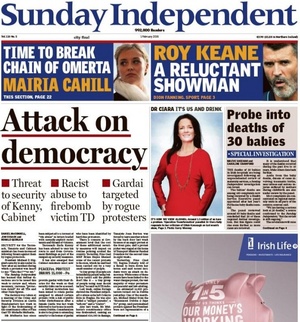
Yesterday’s Sunday Independent, above; Group Business Editor at INM, Thomas Molloy, top; and Mark Malone, middle

Mark Malone, of Sound Migration, joined the panel of RTÉ Radio One’s Marian Finucane via telephone yesterday morning.

Among the panellists were Irish Times columnist and former Fianna Fáil adviser, Noel Whelan, and Thomas Molloy, Group Business Editor at Independent News and Media.

Mr Malone was invited to talk on the show because he attended Saturday’s protest in Dublin.

As Ms Finucane interviewed Mr Malone, the discussion turned towards Independent News and Media, Denis O’Brien and how GMC Sierra – a subsidiary of Mr O’Brien’s company, Siteserv – won a contract to install water meters.

Marian Finucane: “Mark you were on the march yesterday.”

Mark Malone: “I was indeed, yeah.”

Finucane: “And you were coming from Stoneybatter?”

Malone: “Yes I was coming from Stoneybatter. But if I could just first address some of the comments there…”

Finucane: “Sure.”

Malone: “I think the level of debate there is pretty poor in that you get the sense that ‘these are the times of the poor politicians who go in to the job with a great heart and, unfortunately, some hard decisions are made and, you know, there’s not a lot of respect there’. You talk about the idea of playing the person, rather than the ball. I mean public policy plays the person all the time. If you’re [inaudible], if you’re at the back end of disability cuts, if you’re at the back end of being put back on JobBridge, if you’re experiencing that, that’s you being played.”

Finucane: “Can I go back, I’ll come to that with you. But can I go back first of all to yesterday. What was it like? What was the atmosphere? How many were there? What was the spirit of the thing?”

Malone: “It was a really good atmosphere, I mean, as you probably know, it wasn’t really organised by any political organisation. This is a community response, a grass-roots level response and organised, mostly, through local campaign groups. So, as I say, I was involved with the Phibsboro group, we have folks there from Stoneybatter, from Broadstone, we kind of marched down, there was a couple thousand of us and we met up with folks coming from Heuston, who came from, landed at Heuston, I guess from all over the country. So that’s it. The tone was very relaxed. You know, most of us didn’t really have an idea where we were going, we were kind of walking around town, celebrating the fact that we were out. We were cognisant that over half the people haven’t signed, so it’s very clear that we’re winning this. As much as it likes to get spun, when you see that Denis O’Brien’s media, funnily enough, comes out and condemns an attack on democracy while Denis’ company is putting in the water meters, I mean you don’t need to be very smart to see what’s going on there in some sense.”

Finucane: “Are you implying that the editorial is based on a business decision by Denis O’Brien that was presumably commissioned by Irish Water?”

Malone: “No, I would have a much more nuanced understanding of the role and nature of how the mainstream media plays in shaping public discourse.”

Finucane: “No, I just thought that was the implication.”

Malone: “No, I’ve made clear I do think the mainstream media frames a lot of public conversations [inaudible]..the framing is around this sort of, the fear that, you know, conversations around the usefulness or not, or the problems around peaceful protest.”

Finucane: “Mark, can I just say to you – the very first sentence I uttered after doing the headlines was, I read the Sunday Indo headline and I said to a contributor who’s been writing about this week [Noel Whelan], ‘do you think that’s a bit OTT?’ and his first answer was, ‘yes’. He did think it was a bit OTT. So like, steady on, when you talk about framing, you know, what do you mean by framing, given they were the first two sentences in the programme?”

Malone: “Well another way to phrase it is this is a media conglomerate that’s owned by, you know, mostly owned by an individual who has the contract for putting in water meters.”

Finucane: “So that is the implication?”

Malone: “That’s not an implication, that’s fact.”

Finucane: “And you think that dictates the headline in the Sunday Independent?”

Malone: “No, I said it dictates notions of framing of how things are talked about in the public domain by mainstream media corporations.

Finucane: “Would you go along with that, Noel?”

Noel Whelan: “No but I think that the framing is going on, on all sides here. I don’t know why those involved in the protests feel the need to disagree with those of us who condemn the excesses of some of the protests.”

Finucane [to Thomas Molloy]: “Can I come to you because you are the Independent group. If there’s a plot and a plan and a subtext here, please reveal all.”

Thomas Molloy: “Well if there’s a plot, I need to be told about it but there’s isn’t a plot. This is the kind of nonsense that these people bring out, it’s just absolute drivel.”

Malone: “These people? Sorry, can I come in there?”

Molloy: “No, you know, you know, it’s just wrong to say that there is…it’s wrong…it’s wrong…”

Finucane: “He’s [Malone] is not ‘these people’. His name is Mark Malone and we invited him on the programme.”

Molloy: “It’s wrong to say that there’s a person who has a controlling stake in INM, there isn’t. It’s just a fact that there isn’t anybody who has a controlling stake. Just at that very basic level…”

Finucane: “Ah now, come here to me…”

Molloy: “Let’s stick to the facts.”

Finucane: “He [Denis O’Brien] has a shareholding in Independent News and Media that’s what? 29%, I think it is? Yeah. So I mean, do you know what I mean?”

Molloy: “No it’s the same shareholding that Ryanair has in Aer Lingus.”

Finuance: “Yes.”

Molloy: “Nobody goes around saying Ryanair has a controlling stake in Aer Lingus. If they did, that would be a problem but clearly they don’t, we’ve seen that this week. You know, people can be big shareholders without being, without controlling a company.”

Malone: “Can I just say, like, we’re talking about media, I’m talking about media that’s pretty much first year courses in universities discussing how, you know, media shapes public conversation. And this is why I’m talking about the level of debate. Now you’ve got an editor in chief there trying to come back and refuting what is pretty much 101 sociological, like theory that’s accepted by most lecturers in media studies.”

Molloy: “No, I’m not talking about first year university course here, I’m talking about reality, I’m talking about the Irish media landscape, as we all live and work in it. And, you know, whether or not you agree with ‘Attack on democracy’ as being over the top, the reality is that there are protesters outside Paschal Donohoe’s house. He has a family, he has to put up with that. What happened to Joan Burton, again, whatever you think about it, was really quite extraordinary and we are, we are coarsening the debate in this country, we’ve got to the stage where politicians will not be able to mix with other people in the streets and will not be able to pick up on what’s already happening and that’s a great shame because one of the conceding graces of Irish democracy has been that our politicians live among us.”

Finucane: “Well let me go back to Mark, let me go back to you because you said that it [Saturday’s protest] was good humoured and you say that the whole point of the representation on the streets yesterday was of those who haven’t signed up, as opposed to those who have.”

Malone: “Absolutely and I mean we talk about, I mean I could send you links all day long about videos on YouTube around men in masks coming into my community to put in water meters, coming in to intimidate us on a daily basis.”

Finucane: “Men in masks?”

Maloney: “Men in masks. I mean this is obviously, you can go to the Journal.ie, they’ve covered it, RTÉ haven’t really covered it that much. You have private security firms, like Guardex, who are there gathering intelligence, coming up, you know, coming up to people like me, to other individuals, naming us by name, telling us they know where we live, as whilst we’re taking part in a sort community protest of civil disobedience. Obviously, you know, we’re trying to stop the water meters coming in but there’s a level of actual intimidation, that stuff is on YouTube for sure, as well.”

Finucane: “Yeah well, you see, the interesting thing, Mark, is for somebody  that gets information from people like you and from the media, as you call it, etc, etc, we hear both sides complaining about intimidation.”

Malone: “Absolutely, yeah, well I think there’s a differing level of conversation, I mean whatever about shouting names at politicians, I think that’s relatively fruitless, probably not that useful, that’s very different to private companies coming into my street and into my community and intimidating us, as part of a process of pushing through State policy. That’s, that has serious implications…

Molloy: “It’s not your street.”

Finucane: “Yes but it..”

Malone: “But to come back to yesterday’s march. Yesterday’s march was a celebration. Let’s not lose sight of the facts: we’re winning this, we’re winning this hands down. The State probably needs about 90% for this project to go through, it’s no way near that as the deadline approaches.”

Finucane: “Right.”

Malone: “So I’m very proud and inspired to be part of the movement, it’s the largest civil disobedience movement in generations.”

Listen back in full here

Previously: Dumb Intelligence Gathering

00157905
Screen Shot 2015-01-12 at 12.28.26

Head of communications and corporate services at Irish Water, Elizabeth Arnett and Managing Director of Irish Water John Tierney leaving Leinster House on December 22, top, and the front page story on the Sunday Business Post on January 4

Elizabeth Arnett, of Irish Water, spoke with Marian Finucane yesterday on RTÉ Radio One in relation to a story that appeared in the Sunday Business Post on January 4 – claiming that the story was untrue.

Marian Finucane: “Last Sunday, the Sunday Business Post led with the story, ‘Secret deal with unions over Irish Water jobs’, and went on to say that documents seen by the Business Post showed that union leaders secured a guarantee from the Government not to fill positions in the water utility without the oversight of the Irish Water consultative group which composed of civil servants, council officials and up to 10 union representatives. And the other essence of the story was a secret deal to automatically fill vacancies among council staff working for Irish Water effectively removing a major weapon in the utility’s efforts to reduce costs. Now we got, we were approached by Irish Water and Elizabeth Arnett is here at last, might I say.”

Elizabeth Arnett: “My pleasure to be here, Marian.”

Finucane: “I’m delighted it’s your pleasure. Now you took exception to, the Business Post actually put the documents up on their website on Monday.”

Arnett: “Well I think that there’s two aspects to the story that I’d like to deal with. The first is that there was some kind of secret process or secret deal with unions and that simply isn’t the case. There is a process in place whereby, and it’s facilitated by the Labour Relations Commission, whereby all the parties are involved. This is a major transformation project that we’re involved in and there hasn’t been a project as large as this undertaken in the public sector before so it’s…”

Finucane: “We know all that stuff.”

Arnett: “So that’s the first point I want to make. The second point that I want to make is that the impression was given that we have some kind of deal that ties us in to elevated levels of staff within the local authority and that simply isn’t the case.”

Finucane: “Yes it does, yes it does. Because when you say, you know, that this is the most important thing and the most important that openness and transparency and accountability, it came as a dreadful surprise to an awful lot of people, that all the council workers had been moved over with contracts going to 2024.”

Arnett: “Well, that’s not the case, Marian.

Finucane: “It’s not the case.”

Arnett: “If I can just clarify and finish the point I was making firstly. The staff numbers that we started with, at the start of 2014 was 4,320. Today we have, that staff has been reduced by 10% through 2014. So we start 2015 with 3,919 there or there abouts, which constitutes about a 10% reduction in staff which is 8% off the salary bill there. So this notion that there was a secret deal to keep staff numbers in place simply isn’t the case. We have to…”

Finucane: “Well now, I’ll just quote again from last week’s one where, and I’m quoting Lucinda Creighton here, and she said that ‘the idea that when vacancies arise that there’s a cast-iron guarantee that they really replace, to be replaced, is really outrageous. That means that not only is Irish Water overstaffed from day one, it’s going to continue to be overstaffed for the forseeable future’ and she was the one who got the documents under Freedom of Information.”

Arnett: “Well she actually didn’t, she asked for the documents and they were given to her. I think if we have…”

Finucane: “I beg your pardon, I thought it was Freedom of Information.”

Arnett: “If we have, if I wasn’t here today saying, “we have reduced staff numbers by 10%, we’ve taken 8% out of the costs in relation to that”, then perhaps there might be some truth to that statement but the facts fly completely contrary to that. We have an arrangement in place to deliver substantial change which will see us taken €1.6billion out of the costs of delivering water services between now and 2021 and to think that you would..”

Finucane: “Sorry, you’re going to take €1.6billion out?”

Arnett: “Yes, we’re going to reduce the costs of providing water services by €1.6billion – €1.1billion in operating costs and €500million in delivery..”

Finucane: “Because I thought the whole thing is that we had to pay these charges so that you would have money to put in.”

Arnett: “Well there’s two things there, one is in terms of the investment into the network but we have to reduce the costs that we have, that we incur in delivering the services. As a regulated utility, the Regulator composes cost reduction targets…”

Finucane: “See, I know that politicians, particularly, and indeed your good self love talking about the Regulator. And there were lots of rows and arguments about electricity and the cost of electricity and all of that and it’s a beautiful way to offload responsibility to say, ‘it’s not me, Guv, it’s the Regulator’. Politicians say it, ‘the Regulator’, you say it’s the Regulator, so that basically means, like, that nobody can be giving out to you.”

Arnett: “Well no what I’m saying in relation to the Regulator is that they’ve imposed cost reduction targets on us and reducing staff numbers is one of those aspects that we would look at. Reducing all of our costs, across the board, is what we have to focus on and year-on-year.”

Finucane: “And so can I ask you, about this thing about not to fill positions in the water utility without the oversight of this consultative group and the consultative group is composed of civil servants, council officials, and up to 10 representatives.”

Arnett: “So in normal..”

Finucane: “Is that..”

Arnett: “That’s absolutely correct, so in normal industrial relations, you’d have management and unions represented. Just to be very clear the number of staff that we agree at the start of the year, is the ceiling in terms of the staff, it’s not the floor. So we can’t go above this certain level of staff. But in, during the year, and you could imagine with a staffing level of almost 4,000, you would have people leaving and you would have people retiring and you can’t leave frontline services unattended. You cannot leave frontline services not delivered.”

Finucane: “So they will be replaced?”

Arnett: “Of course, you would..”

Finucane: “And that will be done by this IWCG.”

Arnett: “It can be done within the local authorities themselves but it’s to the end of the year and then we agree a new staffing level for the next year.”

Finucane: “Right.”

Arnett: “The central point is staff are down 10% so the story just isn’t true.”

Finucane: “Well no, you can’t say the story isn’t true. You’ve just said that that is actually true so interpretated and I have noticed your skill, when asked before why we have to give our PPS numbers, you said, ‘in order to get your allowance’ but you never explained why a PPS number should be necessary in order to get an allowance.”

Arnett: “Well, PPS numbers are off the table so I won’t go back over that territory.”

Finucane: “It’s a question of how the information is delivered is what I’m really saying. ”

Meanwhile, yesterday’s Sunday Business Post reported:

New documents have provided further evidence of the secret deal with unions to fill vacancies among the council staff working for Irish Water. It comes despite attempts by Irish Water and the Department of the Environment to downplay the existence of the deal when it was revealed by The Sunday Business Post last week.

The agreement provided for the filling of vacancies to maintain the agreed headcount figure of 4,300 council staff positions in the water services sector last year. And it states that planned retirements of water service staff during the year will be automatically replaced.

Irish Water managing director John Tierney confirmed the existence of this agreement in an interview with The Sunday Business Post. There could be an internal transfer in the local authority itself, there could be a temporary filling up to the end of the year or it could be a post that is definitively required long term and you might fill it on a permanent basis, he said.

Listen back to Marian Finucane interview in full here

(Sam Boal/Photocall Ireland)

Screen Shot 2013-03-18 at 09.10.19

Accumulated profits at [Finucane’s Montrose Services Ltd] increased by €206,641 from €584,272 to €790,913 in the 12 months to the end of October 31st last.

€790,913.

Let’s call Joe.

[Joe Duffy’s] firm’s accumulated profits dipped by €30,087 from €154,502 to €124,415 in the 12 months to the end of April last.

Marian Finucane Media Firm Posts €791,000 Profit (Irish Times)

(Photocall Ireland)

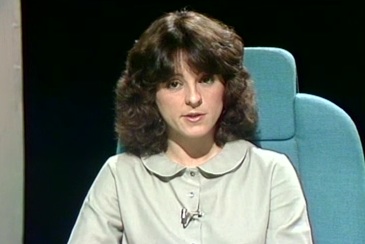
RTE Player is marking the station’s 50th anniversary by rooting through the Montrose archive for some hidden, if flawed, gems, including The Women’s Programme, presented by Doireann Ni Bhriain (second pic), Nell McCafferty (3rd pic) and Marian Finucane (above) and produced by Nuala O’Faolain and Claire Duignan (now RTE Radio MD) from the early 1980s.
The selected edition (chosen by a bloke, RTE Guide’s Michael Doherty) – watch here – from Winter 1984 was broadcast within days of the death of Ann Lovett, a 15-year-old girl who died while attempting to giving birth on her own in a grotto in Granard, Co Longford. A cold-eyed withering polemic and a well-aimed knee in the groin to Gay Byrne from Nell, whose name is oddly missing from the closing credits, opens proceedings and things go rapidly downhill after that. And by ‘rapidly’ we do mean 20 minutes of debate about sex education rather than a look at the real reasons why a schoolgirl and her baby son ended up dead. Worth it though to meet the excellently-named and truly frightening Sr Borgia (below). Goodnight sisters, indeed.