
Old Ireland In Colour tweetz:
“That pudding bowl haircut just never goes out of style…” Little boy by pond. St. Stephen’s Green, Dublin. 1964 (Photographer: Elinor Wiltshire)
Source: National Library Of Ireland



Old Ireland In Colour tweetz:
“That pudding bowl haircut just never goes out of style…” Little boy by pond. St. Stephen’s Green, Dublin. 1964 (Photographer: Elinor Wiltshire)
Source: National Library Of Ireland

Old Ireland In Colour tweets:
Ada Rehan, famous Limerick-born stage actress, born today 22 April 1857. New York. c.1897.
Photo: Aimé Dupont; Source: Library of Congress

YOWZAH!
Old Ireland In Colour tweets:
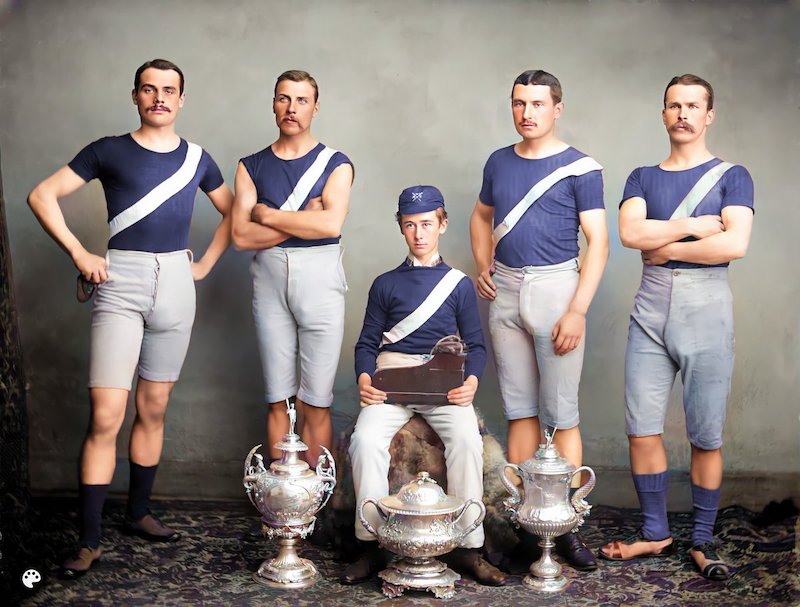
“Winning oarsmen at Waterford Boat Club with an impressive array of very ornate silverware. Would love to identify all of these chaps…” “First to be identified is the Cox (centre) – Austin Farrell” Date: c. 1885
(Original image: National Library Of Ireland)
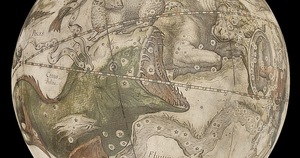

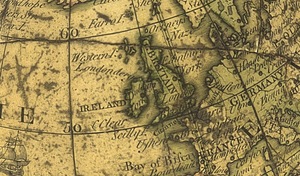
The British Museum has digitised many of its 17th and 18th century globes into spinnable zoomable 3D models for your perusal. To wit:
During the so-called ‘Age of Exploration’, expanding European geographical and astronomical knowledge fuelled the demand for maps and sea charts. It also inspired experimentation in the art of globe-making, and the first half of the 16th century saw the production of several models, both hand-painted and printed. Printing made it possible to produce globes in greater numbers at lower cost so they could be more widely distributed. The printed globe, terrestrial and celestial, soon became established as the standard type of globe, sometimes called the ‘common’ globe, and the methods of manufacture changed surprisingly little from the mid-16th century until the 20th century.
Explore them here.
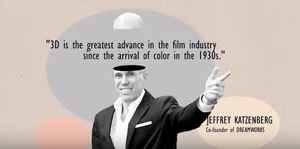


The Royal Ocean Film Society traces the popularity, resurgence and ultimate demise of 3D film from the late 20s to its first peak in the 1950s and equally short lived revival in the first decades of the 21st century.
Previously: The Tao Of Saul Bass

A cartoon from Harper’s Magazine, published during the New York cholera epidemic of 1866.


Of this photo he’s restored and colourised, Rob Cross tweets:
…the last known picture of the Titanic taken by Irish Jesuit priest Francis Browne on April 12, 1912 after she departed Queenstown, Ireland. Three days later 1514 people would lose their lives in one of the deadliest peacetime maritime disasters in history.
Previously: Trooping The Colour
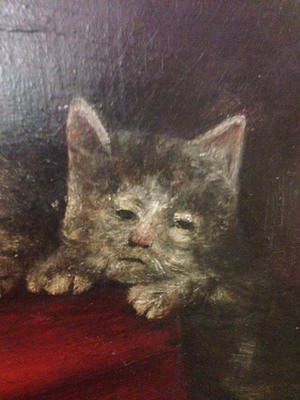
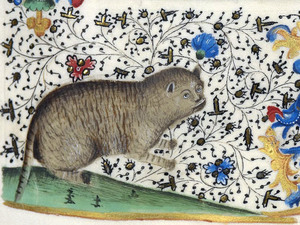


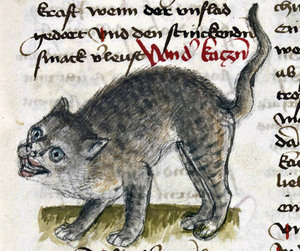
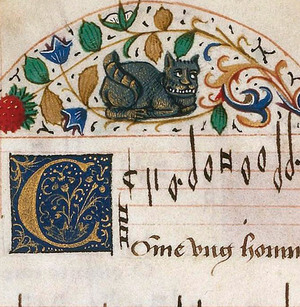
Perusinge ye catte illustrations whilst at work: a major cause of lost productivity at the scriptorium.
Previously: Medieval Elephants