The Dublin Region Homeless Executive carried out a count of the number of people sleeping rough in the capital on the night of November 12 last. It found 139 people sleeping rough, compared to 94 in April.
RTE reports:
“80% were male and nearly 30% were from outside Ireland with the origin of nearly 20% unknown. It is the highest figure recorded since the rough sleeper counts began in 2007.”
“Dublin Region Homeless Executive Director Cathal Morgan has said there’s a growing trend of families being forced to leave private rented accommodation and moving into homeless accommodation.”
“Mr Morgan said there aside from traditional factors contributing to homelessness, such as mental health and addiction, there is growing evidence that a number of homeless people are struggling to keep up with the demands of day-to-day living.“
It was announced today that there has been a 50% increase in homelessness in Dublin since last April.
Martin and I have had many interesting discussions on a variety of subjects. I have visited him every day over the last two weeks. Last Friday we discussed homelessness.
On Saturday I asked if he would be interested in doing this video to highlight the homelessness problem with a view to me making it public. He agreed.
Photographer Donal Moloney returned to Westland Row, Dublin to meet Martin, the subject of his contentious photograph (top) at the weekend.
Donal Moloney: “Here you go, Martin.” {hands coffee]
Martin: “Thank you.”
Donal: “Are you ok?”
Martin: “Thanks very much.”
Donal: “Do you want anything else?”
Martin: “No, that’s fine.”
Donal: “Do you mind if I ask you a question, Martin?”
Martin: “All right.”
Donal: “How long have you been here?”
Martin: “Since about February.”
Donal: “You’re not from Dublin, are you?”
Martin: “I’m from Dublin, not originally, but I have lived here a long time in Dublin, yeah.”
Donal: “And, do you mind if I ask, how did you end up on the streets?”
Martin: “How did I end up on the streets. Let me see, I think I liked it.”
Donal: “You liked it? Really? Would you rather be sleeping here than in a warm bed in some house of apartment or…”
Martin: “It’s actually quite warm here.”
Donal: “Really?”
Martin: “Just like a bed.”
Donal: “Yeah.”
Martin: “It all depends on your imagination.”
Donal: “Yeah.”
Martin: “You can feel like it’s like you’re in bed at home. Which it is actually.”
Donal: “And are you happy with yourself, are you happy within yourself? Doing this?”
Martin: “It’s very exciting when you wake up.”
Donal: “Really? And in what way is it exciting? It’s a new world and you don’t know what’s…”
Martin: “No it’s away from your mother, if you like.”
Donal: “It’s what?”
Martin: “It’s away from your mother.”
Donal: “It’s away from your mother?”
Martin: “Hmmm.”
Donal: “I see.”
Martin: “It’s the whole lot.”
Donal: “Yeah. And did you work before like, you became a man of the streets, if you like?”
Martin: “I think most of the time, I think I spent about two years studying.”
Donal: “Studying? In Dublin?”
Martin: “Hmmm.”
Donal: “And what were you studying?”
Martin: “Communications, and graphic design.”
Donal: “And graphic design.”
Martin: “Hmmm.”
Donal: “Ah..and was that here in Trinity or…”
Martin: “It was in Whitehall.”
Donal: “Where?”
Martin: “Whitehall.”
Donal: “Whitehall?”
Martin: “Hmmm.”
Donal: “Ok. And did you work at all or…”
Martin: “”My first job I think was in Sloan’s, Parliament Street.”
Donal: “Sorry, where?”
Martin: “Sloan’s of Parliament Street.”
Donal: “Sloan’s of Parliament Street, is that a pub is it?”
Martin: “No, it was a clothes shop.”
Donal: “A coal shop?”
Martin: “No, clothes.”
Donal: “Oh a clothes shop, I beg your pardon.”
Martin: “And it sold bedding and stuff like that, the whole lot.”
Donal: “And do you have any family living in Dublin now anymore?”
Martin: “No.”
Donal: “No. So you were born in Dublin? And…”
Martin: “No I was born in Texas, Dallas.”
Donal: “In Texas, Dallas? Really?”
Martin: “Hmmm.”
Donal : In Texas, Dallas. Really? How did that come about?
Martin: “Well my mother was there.”
Donal: “Your mother was from the States.”
Martin: “Yes she was from there.”
Donal : “And when… because I’m just curious to know how you ended up on the streets, do you understand what I mean?”
Martin: “Yes.”
Donal: I hope, I hope you don’t mind me asking this but… do you have an alcohol problem or a drug problem…
Martin: “I could have but I don’t, actually.”
Donal: “You could have but you don’t. Well, that’s good to hear at least. Because you know most people have this cynical view that everyone who hits the streets has either a serious drug problem or a drink problem… which is obviously not the case in your case. So how did you think you ended up on the streets?”
Martin: “Well you know I think it’s Mother Teresa of Calcutta. I sort of knew her well. When I was a child.”
Donal: “You knew her? Well how come.”
Martin: “Well, it’s a… I was out there with her. For a while.”
Donal: “You were in Bangladesh or Calcutta?”
Martin: “Back in the Fifties”
Donal: “Really? You don’t look that old.”
Martin: “Well that’s when I was with her. And I think it’s a vocation amongst us to be either helping out or out.”
Donal: And do you help other people too, is that what you like to do?
Martin: I like to think that by looking upon them that I do.
Donal: By looking upon them that you do…
Martin: Not down on them but upon them
Donal No I understand what you mean, no I understand what you mean, I understand what you mean. That’s a very interesting point of view to say the least…
Donal: “The pigeons here do be plentiful.”
Martin: Mmm.
Donal: Do you sleep her every night or do you sometimes have a night in a shelter or something like that?
Martin: No I’m here since February. Usually here.
Donal : Do you mind if I ask you a question you sound… your accent sounds English is there an English… were you in England for a while?
Martin: I was in a lot of places. All over.
Donal: Ok. Ok. So that last job you had was in Sloan’s or whatever. How long ago was that?
Martin: That was my first job. That was around about 1967.
Donal: Do you mind if I ask what age you are?
Martin: I should be at least 60.
Donal Moloney: You don’t know what year you were born now…?
Martin: Well I don’t really bother but if I must I will give the information.
Donal: OK well I tell you my age and you tell me your age.
[pause]
Donal: So, you’re probably about the same age as me, perhaps about two years older.
Martin: Yes, I’d say we’re probably in or about the same age.
Donal: But I couldn’t, I couldn’t manage living on the streets like this myself. But if you, I mean, assuming you’re reasonably comfortable with this situation…
Martin: Mmm.
Donal: I mean I mean… what will you do at Christmas or whatever?
Martin: What will I do at Christmas… well I’ll be staring across there near the Church. That will be Christmas.
Donal: And do you have any buddies, do you have any friends you meet on occasion at all?
Martin: No, I don’t really don’t. Just the people I see, come across.
Donal: When was the last time you actually lived in a house?
Martin: Oh I’d say about … Are you talking about a regular home, or a….
Donal: Were you ever married or did you have children or that?
Martin: “I am married actually but that was a long time ago.”
Donal: “So are you separated or divorced or whatever?”
Martin: “She died.”
Donal: “Oh, that’s unfortunate. Oh, that’s very sad. And was that here in Dublin again?”
Martin: “Yes. She lived out as well.”
Donal: “And tell me one thing that I’ve noticed that when people are asked about…… the homeless, I mean if I was to take a photograph of you at any stage and publish it and to speak about the homeless and about our interview you wouldn’t have a problem with that?”
Martin: “No.”
Donal: “You wouldn’t have a problem with that. That’s good.”
Martin: “No.”
Donal: “”By the way my name is Donal Moloney and I’m a photographer by trade. And I actually noticed you here a week ago and when I was passing by I took a photograph of you. I’m trying in my own way to create awareness of homelessness, particularly at this time of year when weather gets very cold and there are people, who are less happier than yourself I might add, on the streets when they would rather be in a home or in an apartment or whatever.”
Martin: “Mmm.”
Donal: “But happiness, happiness is what it’s all about, I’m sure and if you’re if you feel reasonably happy in yourself that’s okay. Do you have any desires in life or any wishes for yourself for the future?”
Martin: “I think I’ve achieved most of them.”
Donal: “You’ve achieved most of them. That’s good. So no more goals?”
Martin: “Just being happy.”
Donal: And you’re happy now. That’s good. Well, that’s good. So, that’s about it so.
Martin: All right.
Donal: Sorry, here’s your coffee.
Martin: Ok, thank you.
Donal: “So you have no problem with me writing about you or using that photo.”
Martin: “No. No.”
Donal: “That’s great. Say, would you like me to get you something else before I go?”
Martin: “No, that’s excellent, that’s great.”
Donal: “I pass here most days and I’d love to drop by and buy you another coffee some time. Is that okay?”
Martin: “If you wish to, all right.”
Donal: “And stay safe.”
Martin: “I will.”
Donal: “And enjoy your sleep and enjoy that wake up every morning. It’s been nice talking to you, Martin, I’ll see you again.”
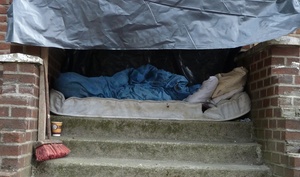
This man frequenty beds down under the railway bridge at Westland Row [Dublin]. One could be easily judgemental. I approached expecting to find empty bottles & him to ask me for some money. However, he seemed shy and asked for nothing. He just smiled softly. I also suspect that under his tattered appearance is a much younger man.
He had a large sliced pan, a carton of milk and a flask. Just another homeless man living on the streets of Dublin, Ireland in 2013. And while he had time and care for feathered strangers no one had time for him.
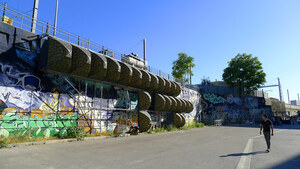
A-Kamp47 is a collection of vertical shelters on the facade of a railway viaduct in Marseille designed by architect Stéphane Malka.
The 23 units, based on the design of pop-up tents, are strengthened by elastic mesh and contain isothermal blankets. The aim is to offer warmth and safety, refuge from vandalism (and police raids) as well as a sense of ambiguity regarding the difference between public and private space in a city where homelessness (and the increasing occupation of building entrances and other public space by the homeless) is on the rise.
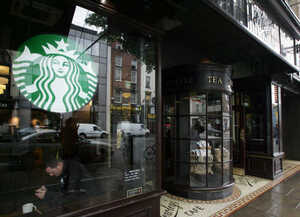
According to the Business and Compliance section of the Starbucks Ireland website; “Starbucks believes that conducting business ethically and striving to do the right thing are vital to the success of the company”. Every single day at closing time, Starbucks throw away an incredible amount of perfectly edible food, mere minutes after it was deemed sellable while the shop was open for business.
Starbucks policy is that they will not donate this food, and must dump it all. This not only includes healthy and filling sandwiches, but sugary baked products that easily last for days.
Stats released by the Dublin Region Homeless Executive show that in almost half of all cases last year, people presenting for help at homeless services were new to the system. In Dublin alone, there are at least 7 new homeless people EVERY DAY. The rise of homelessness in Ireland is impossible to ignore. All it takes is a senior staff member to sit down with a capable solicitor for an hour to alter food waste policy whilst ensuring that Starbucks are protected from any potential insurance issues or ramifications. Not only can they afford it, but it would be a serious investment thanks to the positive advertisement this potentially life-changing front line charity work would provide to those most vulnerable
We know Starbucks aren’t the only establishment with these “policies”, but they also have another great opportunity. To set an example. To actually live up to their claim of “doing the right thing”.
Staff and homeless people that receive support from the the Peter McVerry Trust met with President Higgins yesterday afternoon to mark the 30th anniversary of the charity.
From top: President Higgins with Bridget Boyne, Paul Cashel, James Power, Fr Peter McVerry, Martin O’Connor and Fr McVerry.
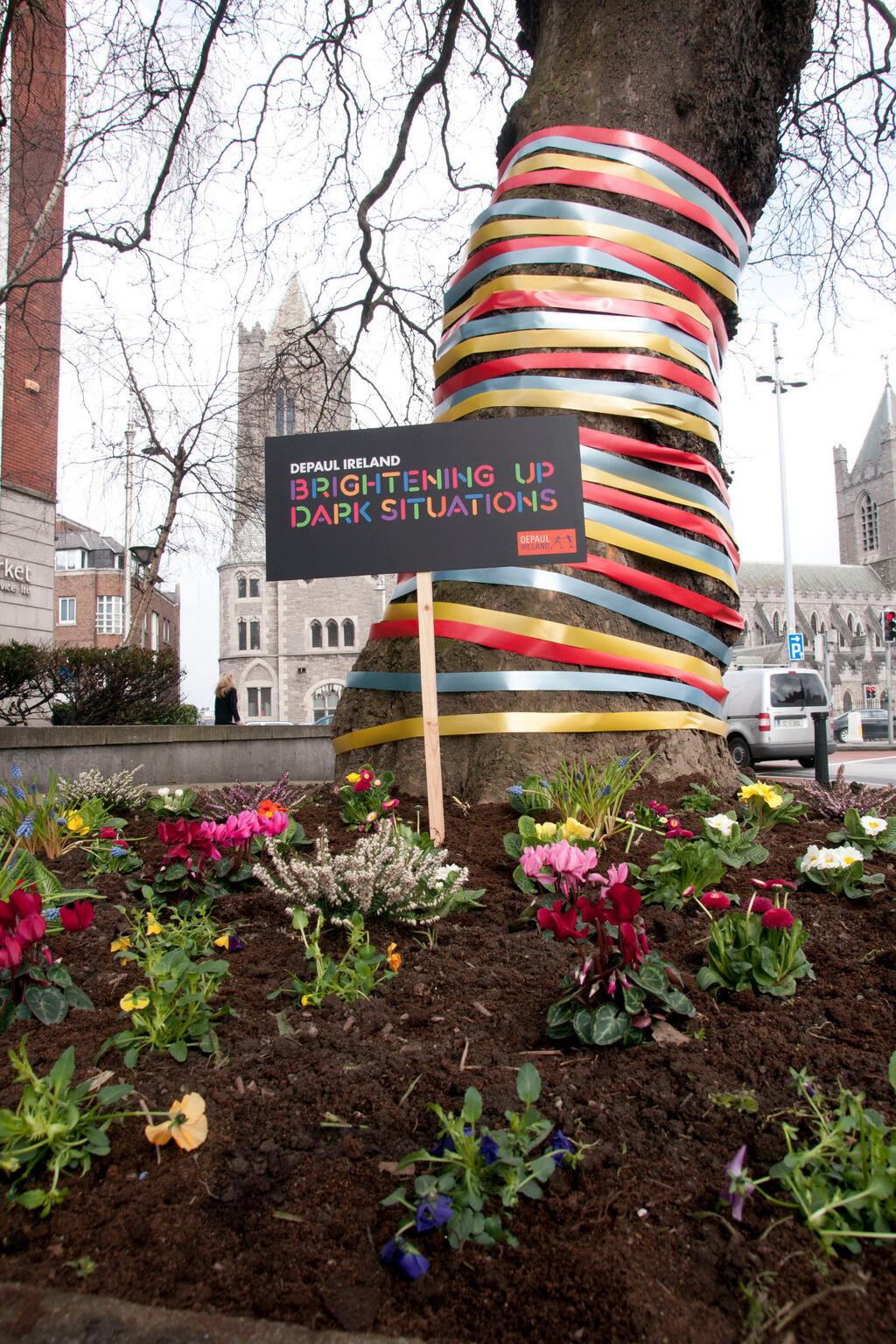
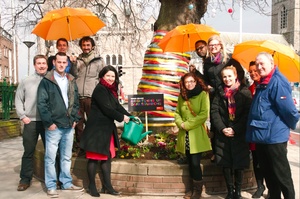
I am working on a project with Depaul Ireland, a Homeless charity that provides accommodation and key services to people who others have given up on, those with behavioural, self-harm and addiction problems. We plan to cultivate a series of small pop-up gardens to be planted in different locations across Dublin city throughout the spring.
The gardens aim to transform their surroundings into brighter, cheerful areas for the public. Gardens placed in dull and dark areas of the city in disrepair, that could benefit from brightening up. This idea, coinciding with the clocks going forward, is to mark the launch of Depaul Ireland’s “Brightening Up Dark Situations” campaign.