

Category Archives: Design

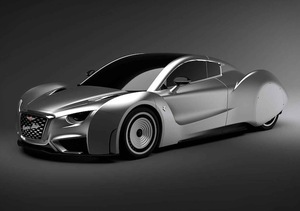
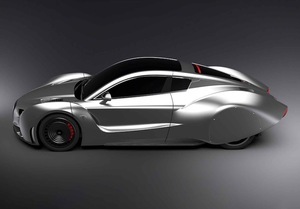
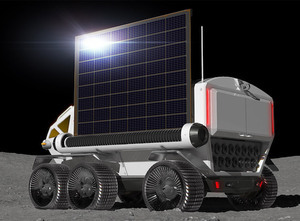
Behold: the Roland Gumpert Nathalie – an electric vehicle that refuels with methanol (in less than 3 minutes) creating hydrogen which powers a fuel cell to generate electricity.

A  fully functional concept for a not-too-difficult to envisage world where regular filling stations have methanol pumps, the Nathalie delivers a 0-100km/h time of 2,5 seconds, a top speed of 306km/h and an 850km range, producing only CO2 and water as byproducts of combustion (though the manufacturer claims the process is carbon neutral.)

Yours for between €300,000 and €500,000 (considerably cheaper than most of its rivals in the rarified e-hypercar segment)

uncrate


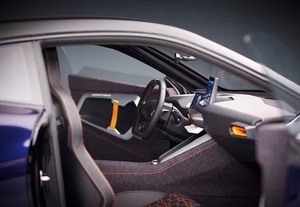
Behold: the Hispano Suiza Carmen – an electric hypercar and the first offering in over 70 years from the Hispanic-Swiss auto maker founded in 1904.

The Carmen’s lightweight carbon fibre monocoque chassis with all-wheel drive powered by a 700 cell lithium ion battery develops 1019bhp, accelerates to 100km/h in under three seconds and tops out at 250km/h. Meanwhile, owners can choose their own ‘perfume’ to enhance the handcrafted leather and Alcantara interior.

Only 19 will be made but the vehicles are designed to be ‘upgradable’ as new technology emerges.

Yours for €1.4 million +.

uncrate

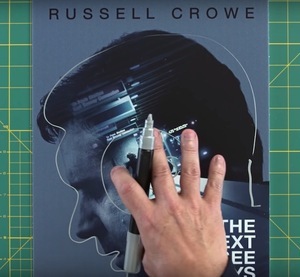
A diverting inisight into the way colour in movie posters is used to communicate with the desired audiences.

James Verdesoto of Indika Entertainment Advertising explains how white backgrounds are used for comedy, blue for action thrillers, shadows indicate secondary characters, yellow is the colour of independent film and so on.

laughingsquid/vanityfair

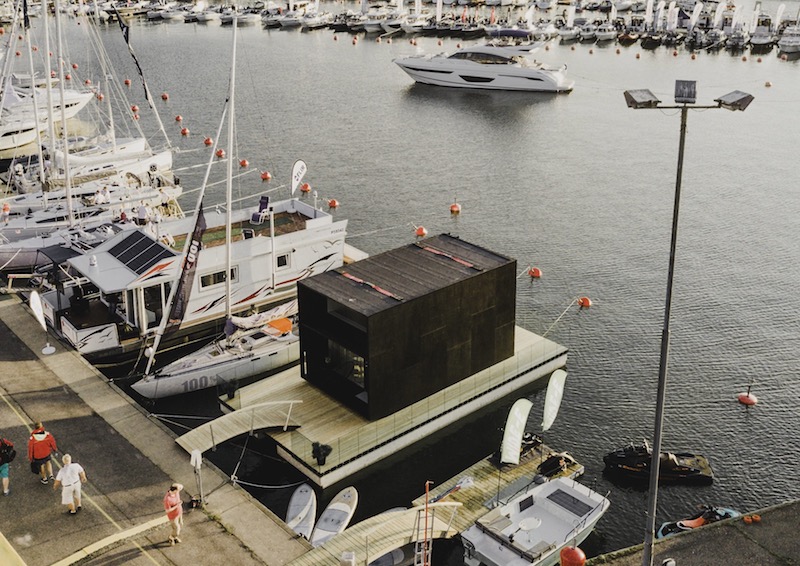
Behold: the Koda Light Float House – a zinc-clad dwelling surrounded by a generous deck on a pontoon raft connected to shore by a wooden bridge.

More house than boat (designed to be towed between locations), the minimal interior features double-height ceilings, an open living space, kitchen, and a lofted sleeping area from where to view the locale where you’ve chosen to dock.

uncrate

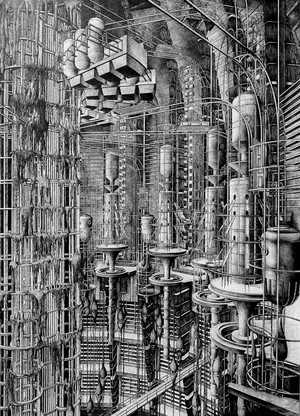
An illustrated project by architect and artist Yunil Nam in pencil, collage and photomontage – a combined ‘funerary venue’ and coral cultivation facility in the Indian ocean inspired by (a) a tradition of Indian Zoroastrianism and (b) Jules Verne’s ‘Twenty Thousand Leagues Under The Sea’. To wit:

Indian zoroastrianism… involves the depiction of an historical and religious funerary place called ‘tower of silence.’ this tower is told to have the purpose of revitalizing endangered vultures which prey upon the dead bodies of humans….the architect proposes a process of decay and regeneration in the form of visionary burials called ‘tectonic vultures.’ this system consists of such new techniques in body decomposition as freeze-drying and liquefaction, transforming the human body into nutrients in the forms of powder and liquid. coral, the urban infrastructure of marine life, is then fed by those processes and subsequently reverted back into its natural condition.

Take from that what you will.

designboom

Slightly Bemused writes:

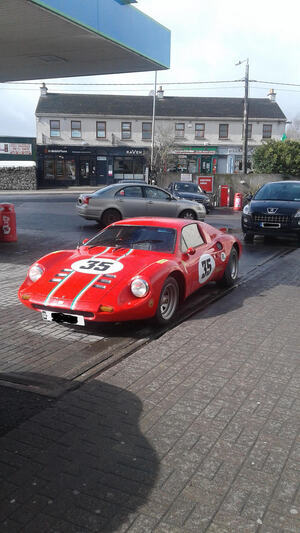
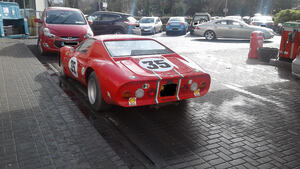
Spotted in Clane, Co Kildare, today, it really brightened up my day. As far as I can tell it’s a Dino 246 GT (made between 1967 [year of my birth :)] and 1974). not sure if it is original or kit, but still a lovely eye-catching beauty. No idea if the markings are genuine and mean something, or are symbolic, and mean something else :)

Behold: the 1964 MkII Shelby Cobra 289 – a meticulously restored racing V8 with an impressive US road racing history.

Built by AC cars in England in 1964 and subsequently shipped to Shelby American, it lost only one race in three years, competing at Lime Rock, Marlboro, Reading, Mid-Ohio, Watkins Glen, Virginia International Raceway, Summit Point and Cumberland.

Price on request.

uncrate