
Category Archives: History

Uli Westphal’s Elephas Anthropogenus project – a collection of images depicting how Europeans imagined elephants from the Fall of Rome to the end of the Rennaissance. to wit:

After the fall of the Roman Empire, elephants virtually disappeared from Western Europe. Since there was no real knowledge of how this animal actually looked, illustrators had to rely on oral and written transmissions to morphologically reconstruct the elephant, thus reinventing an actual existing creature.

MORE: Elephas Anthropogenus
kottke

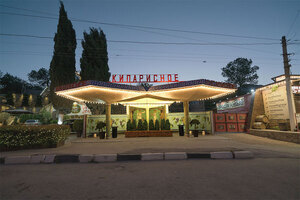
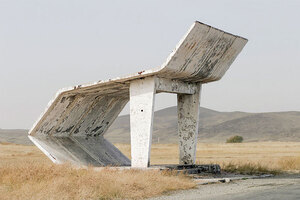
The bizarre and wonderful world of Soviet-era bus stops, captured (in the course of a 16,000 km round trip of Russia) by photographer Christopher Herwig in a follow up to a previously published homage. To wit:

A foreword by renowned architecture and culture critic Owen Hatherley, reveals new information on the origins of the Soviet bus stop. Examining the government policy that allowed these ‘small architectural forms’ to flourish, he explains how they reflected Soviet values, and how ultimately they remained – despite their incredible individuality – far-flung outposts of Soviet ideology.

Soviet Bus Stops Volume II (Christopher Herwig)

dyt

An extraordinary artefact recently discovered among a cache of burial treasures at the 3,500 year old tomb of a Bronze Age warrior in southwest Greece: the Pylos Combat Agate – a carved sealstone less than 4cm wide featuring an astonishingly detailed depiction of two fighters clashing over the slain body of a third.

Professor Jack Davis of the University of Cincinnati (whose researchers originally unearthed the tomb) sez of it:

What is fascinating is that the representation of the human body is at a level of detail and musculature that one doesn’t find again until the classical period of Greek art 1,000 years later.

MORE: Unearthing A Masterpiece (UC magazine)

neatorama

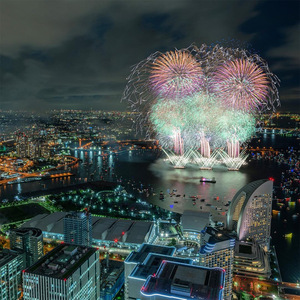
Photographer Keisuke’s spectacular images of some of Japan’s 200-odd hanabi taikai, or firework festivals, held in July and August.

The tradition – originally intended to ward off evil spirits – sparks huge competitiveness among pyrotechnicians and dates back to the 18th century.

colossal

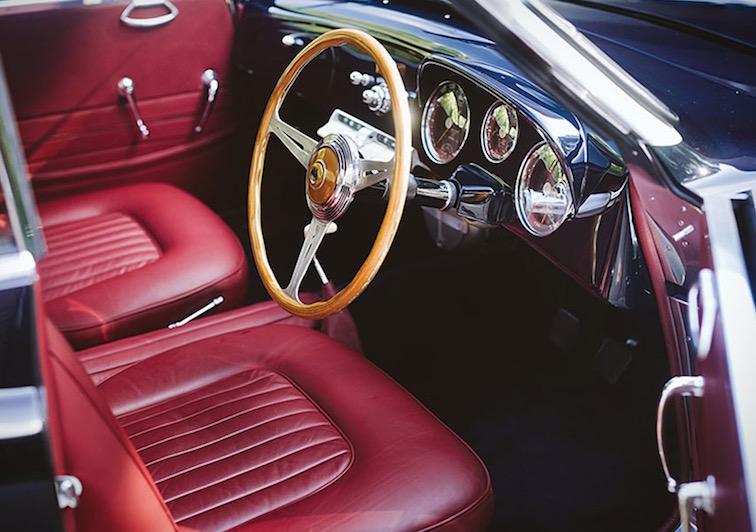
A 1964 Pegaso Z-102 Berlinetta Series 2 – named after the mythical flying horse and built in the former factory of Spanish automotive/French aeronautical engineering company Hispano-Suiza.

Conceived as a direct competitor to Ferrari, the Pegaso was the fastest roadster of its day, with a top speed of 150mph. One of only 84 cars (each with its own unique coachwork) created between 1951 and 1958, this fully restored Concours champion (with coachwork by Saoutchik of Paris) can be yours for a mere €620,000+.

uncrate

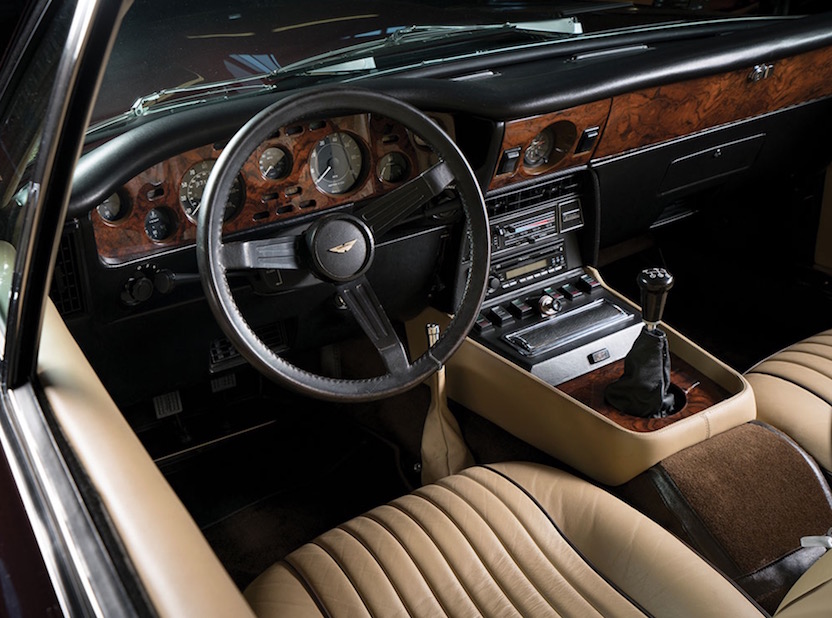
A 1978 V8 Aston Martin Vantage: sold that year to a customer in British Columbia, later bought by an avid collector and upgraded in 2005 from its original 5.4l (170mph) engine configuration to a 6.0l, 500bhp powerplant.

Currently accepting bids for auction next month by Sotheby’s at Monterey.

uncrate

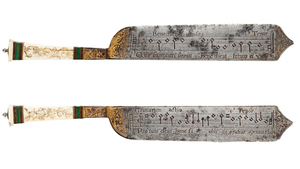
Rennaissance era cutlery inscribed with musical notion and lyrics: on one side a benediction before eating and on the other, a post-prandial grace. The second image (above) has the following inscriptions:

“The blessing of the table. May the three-in-one bless that which we are about to eat.” And the other side reads: “The saying of grace. We give thanks to you God for your generosity.”

V&A curator Kristen Kalber explains:

colossal

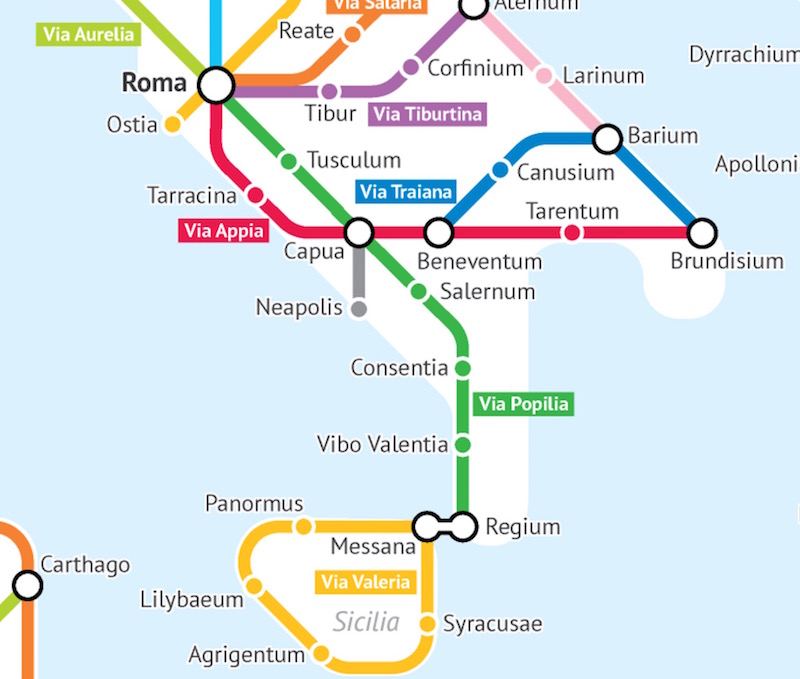
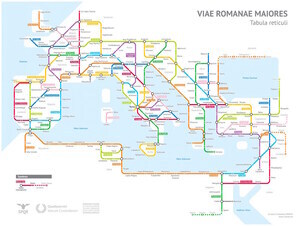
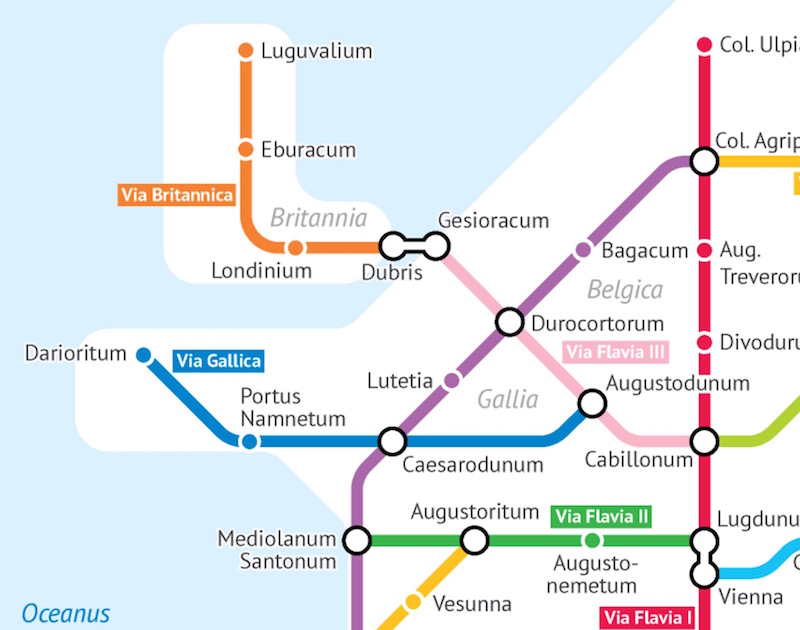
A meticulously researched map of the 250,000 mile Roman road system (created from 300BC and stretching from Iraq and North Africa to Spain and Britain) presented in subway schematic form by geographer Sasha Trubetskoy

EXPLORE: Roman Roads

kottke