
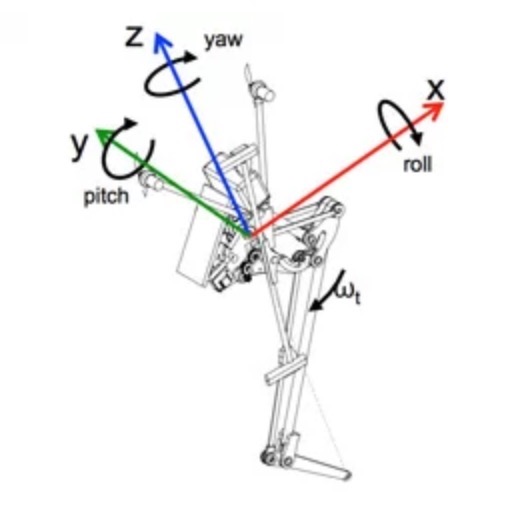

A tiny pogo-jumping bot created by UC Berkeley’s Biomimetic Millisystems Lab.
Salto 1-P (an acronym for saltatorial locomotion on terrain obstacles) is designed to mimic the saltatorial (jumping) locomotion of animals like kangaroos and rabbits.



A tiny pogo-jumping bot created by UC Berkeley’s Biomimetic Millisystems Lab.
Salto 1-P (an acronym for saltatorial locomotion on terrain obstacles) is designed to mimic the saltatorial (jumping) locomotion of animals like kangaroos and rabbits.

How long various technologies took to attract 50 million users.
Airlines: 64 years
Pokémon Go: 19 days
And we’re done here.


https://www.youtube.com/watch?v=PilQTjw1Qis
Some possibly dubious interstellar pop science from E.C. Henry.
Because you need to know about the relative speed and drag coefficient of various spacecraft in the Star Wars universe.

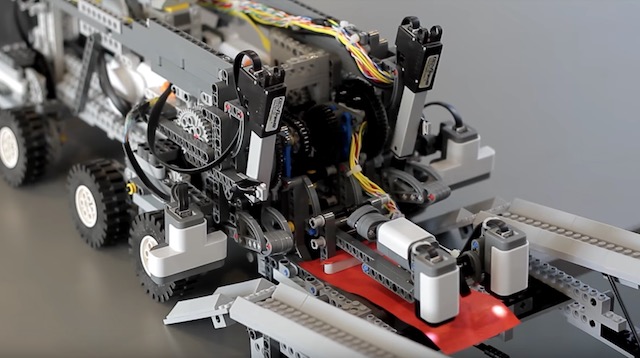
A very impressive LEGO Mindstorms bridge-building rig constructed back in 2012 by (presumably off-duty but you’d never know) boffins at the Oslo And Akershus University Of Applied Science.
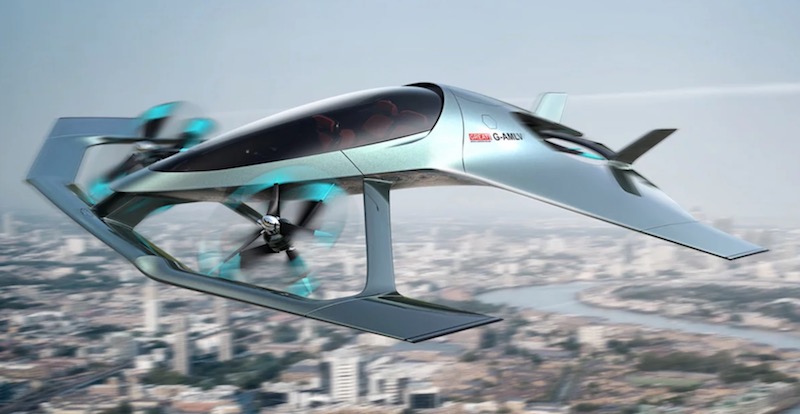


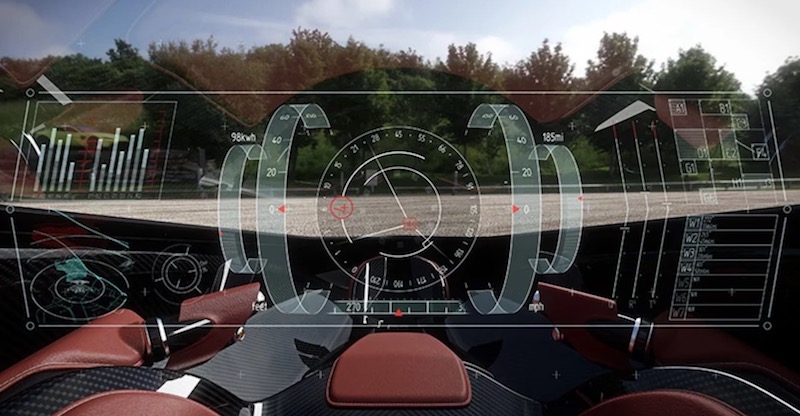

Behold the Aston Martin Volante Vision Concept Aircraft – a VTOL (vertical take-off and landing) short-hop ‘urban aircraft’ concept offering a glimpse of the auto manufacturer’s designs on the luxury aerospace market.
Supported by Cranfield Aerospace Solutions and the Rolls Royce aircraft engine company, the plane has a central propellor providing vertical lift with two smaller engines for horizontal motion.

https://www.youtube.com/watch?v=kDV7smEEc5A
Founder and test-pilot Richard Browning of British human propulsion startup Gravity demonstrates the MegaMan-looking 1000bhp Gravity Jet Suit.

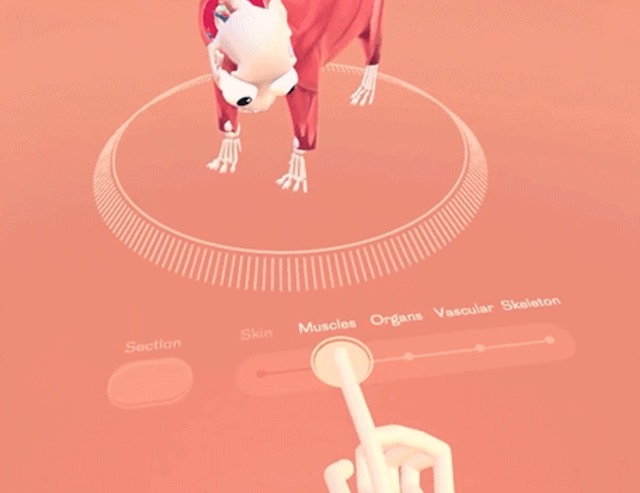
Cat Explorer – a virtual reality demo by san Francisco based VR company Leap Motion demonstrating ‘the transformative potential of VR and natural interaction in fields as diverse as education, training, healthcare, and entertainment’.
The motion of the user’s hand allows exploration of the skeleton, vascular system, organs and inner workings of a friendly cartoon moggie.

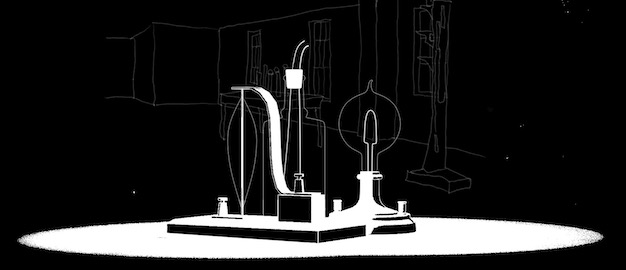
A well-lit visual tour by The Atlantic. To wit:
400,000 years ago, humans and Neanderthals discovered fire. This ignited a relationship between people and photons that changed the course of mankind—and continues to evolve to this day.

