


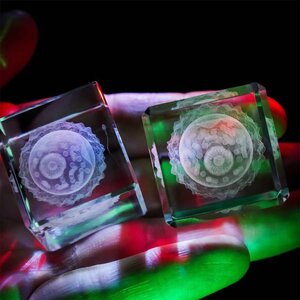
Digital 3D depictions of viruses (including COVID-19, top pic), bacteria and cells etched into 3cm, 7cm and 11cm glass cubes using high precision lasers by CinKslabs.
Currently crowdfunding but available to buy soon from €13+.



Digital 3D depictions of viruses (including COVID-19, top pic), bacteria and cells etched into 3cm, 7cm and 11cm glass cubes using high precision lasers by CinKslabs.
Currently crowdfunding but available to buy soon from €13+.

An utterly (in fairness) stunning shot of a storm cell approaching New York in 2012 by Dhani Jones.


Why all this hoo-hah about soap and water? Surely we’re better off with that hand sanitiser we managed to wrestle out of the hands of some old lady before Tesco ran out? Nope.
20 seconds with even the cheapest, nastiest soap spells dissolution and doom for COVID-19, as this usefully kid-friendly video from Vox explains.


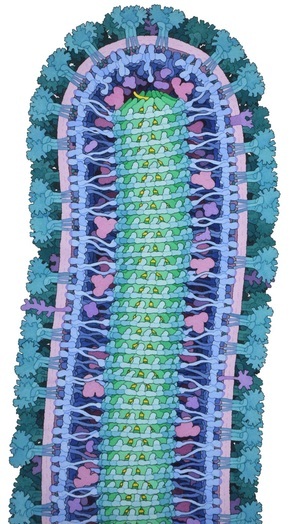

The art (and science) of biologist David Goodsell (what are the chances?): to wit, molecular level depictions of biological processes, cellular structures and viruses like HIV, Ebola and Zika. Of his process, Goodsell sez:
Since the early 1990s, I have been working with a type of illustration that shows portions of living cells magnified so that you can see individual molecules. I try to make these illustrations as accurate as possible, using information from atomic structure analysis, electron microscopy, and biochemical analysis to get the proper number of molecules, in the proper place, and with the proper size and shape.
From top: Zika virus, 2016; Red Blood Cell, 2005; Measles Virus Proteins, 2019; HIV in Blood Plasma, 1999; Ebola Virus, 2014; Mycoplasma mycoides, 2011.

A new compilation of real-world cell animation from stop motion animator, Marty Cooper, who you’ll know from that 7-Up campaign.
We knew him before he drank the Kool-Aid.

Marty Cooper once again applies his iPhone 5s and animation cells to create low cost, highly effective scenes.
Bonus cameo by Mythbusters’ Adam Savage – clearly a fan.
Previously: Aug(de)mented Reality
(H/T: Graeme Kelly)


http://www.youtube.com/watch?v=A4IkVFwZIA8
WikiPearls are balls of Ice cream encased in an edible protective membrane, which prevents them melting in your hand.
‘Inspired’ by the design of the human cell and invented – in collaboration with French designer Francois Azambourg – by Harvard professor David Edwards, the frosty treats are currently available in three flavours at the Wikibar in Paris – mango ice cream with a coconut skin, chocolate ice cream with a hazelnut skin, and vanilla ice cream with a peanut skin – the concept may soon be extended to yoghurt, cheese and coffee.