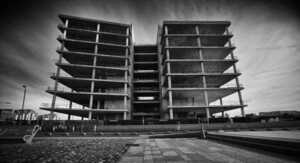
 (The shell of the Anglo HQ soon to be the new home of the Central Bank)
The members of PoliticalWorld.org site are currently compiling a timeline of the banking collapse and back to back loan scandal from 2007-2009.
This is how it’s shaping up:
January 2007: Sean Quinn is reported to have secretly built up a 5% stake in Anglo Irish Bank using CFDs.
February 2007: Banking shares hit record highs, trebling in value since 2000. March 2007: Residential property prices fall for the first time.
January 2008: Legal advice taken on Sean FitzPatrick ‘s hidden loans. He is given the all clear.
May 7 2008: Anglo Irish Bank chief executive David Drumm states that Anglo Irish bank is in a “robust funding position”.
July 2008: 10% of Anglo Irish Bank is placed with 10 of its clients in a move not disclosed to the Irish Stock Exchange.
July 15, 2008: Sean Quinn states his family controls 15% of Anglo Irish Bank.
September 5, 2008: Anglo Irish sold its Austrian Division to Valartis.
September 9, 2008: Alan Gray met Lenihan at 11.30 in the Department.
September 11, 2008: The Anglo Board “first” realised that the bank was massively threatened by Quinn’s “gambling on its share price”.
September 15, 2008: Collapse of Lehmans.
Anglo begins to haemorrhage deposits. FitzPatrick and Drumm meet to discuss a possible merger with IL&P with directors, Gillian Bowler and Denis Casey
When this falls through, Anglo approach EBS
Haemorrhaging of deposits means Anglo has breached its regulatory liquidity ratios. Turns to Central Bank.
September 18, 2008: That leaked phone conversation between Bowe & Fitzgerald on how Anglo Irish was trying to get the Government on the hook for €7billion.
September 19, 2008: Anglo makes a presentation to the Dept of Finance, saying it will be “highly profitable” in 2009, with bad debts of just €300million.
Later, Government and regulatory officials meet Brian Lenihan to discuss the “great strain” on the liquidity of the Irish banks.
They decide to increase the State deposit guarantee scheme from €20,000 to €100,000.
Central Bank governor John Hurley suggests a €10 billion emergency fund and the possibility of nationalising or supporting Anglo.
September 20, 2008: The regulator meets the banks and building societies to gather further intelligence on how much they are losing in deposits.
They are told the Government will announce the increase on the deposit guarantee that day and that the announcement will contain “generous wording” signalling that the Government stands behind the banking system.
The Government says publicly that it wants to “protect the whole financial system, secure its stability”.
The statement contained what officials called ‘constructive ambiguity’.
It was never quite clear what the Government was saying, but it was so ambiguous it could be seen constructively by the market.
September 21, 2008: Goldman Sachs advisers to Irish Nationwide tell Government the building society is in danger of running out of funds in 11 days.
September 22, 2008: Mergers and liquidity borrowing from the Central Bank discussed.
September 25, 2008: With impeccable timing – Ireland becomes the first country in the eurozone to declare it is in recession.
Merrill Lynch brought into advice Department of Finance. Range of options presented.
“At this stage, things were getting worse and worse – it was dire,” says one insider. (Simon Carswell reports)
September 26, 2008: Merrill Lynch tells Brian Lenihan a blanket guarantee “could be a mistake” that would damage the country’s credit rating.
However.. Lenihan, Cowen & the Dept decide a blanket guarantee would be “best, most decisive, most impactful” from the market’s perspective.
Anglo formally requests a short-term liquidity loan of €1.7 billion from Central Bank to tide it over the end of the month.
The same day, Irish Life Permanent begins providing up to €3.45 billion in cash deposits to Anglo over the next four days.
September 27, 2008: PricewaterhouseCoopers says Anglo has lost €10 billion in deposits over the crisis period.
They warn that Anglo is heading towards a cash shortfall of €12 billion. Deposits are now being monitored five times a day.
September 28, 2008: Merrill Lynch warns Anglo is close to collapse, has exhausted all sources of liquidity, and faces deficit of €100 million by Tuesday.
Merrill Lynch recommends the Central Bank provide €5bn in overnight liquidity in addition to a €20bn State-backed emergency lending scheme.
Government advisers say, as an alternative to overnight liquidity, the Government could guarantee the six banks, but that this could raise credibility issues given its scale – involving covering bank liabilities of about €500 billion.
Government Meeting: Gormley says that a Bank Guarantee was discussed and agreed. (Meeting recorded in Lenihan’s diary).
September 29, 2008: Crisis meeting at Department of Finance after Anglo loses another €4 billion. AIB and BoI push for nationalisation of Anglo.
Merrill Lynch draws attention to Quinn’s position.
The back-to-back transfers involving €7.5 billion between ILP & Anglo took place over these last few days of September.
Just before 30 September 2008: IL&P sent €4billion to Anglo “in line with the previous discussions on the green jersey agenda”.
September 29: Night of the Bank Guarantee:
Director of Central Bank Alan Gray rings Cowen. Meets Lenihan
Brian Cowen apparently thumps table at meeting and says “No way are we effing nationalising Anglo Irish”.
Both AIB and BOI were asked by Government for €5billion each to loan to Anglo.
September 30, 2008: The Government announces a €400billion guarantee of the liabilities of all six Irish banks.
Department of Finance sends Letter of Comfort to Anglo Irish Bank.
October 2008: PricewaterhouseCooper completes its report on the Irish banking system.
October 14, 2008: Lenihan calls an emergency budget.
December 3, 2008: David Drumm describes Anglo as “performing strongly” and describes profits as “robust”.
December 18, 2008: Sean FitzPatrick resigns after shareholders find out about his €87m hidden loans.
December 19, 2008: David Drumm resigns.
December 21, 2008: Government announces a €1.5 billion bail-out for Anglo.
December 29, 2008: Anglo shares hit 12c.
January 15, 2009: Anglo Irish Bank Nationalised, Finance Minister Brian Lenihan finds out about €7 billion in loans from IL&P to Anglo.
January 16, 2009: Angry shareholders call for Anglo’s board to be sacked. Five Anglo non-executive directors resign.
January 25, 2009: The existence of a group of investors who secretly took on 10% of Anglo is revealed by The Sunday Times.
January 30, 2009: The financial regulator Patrick Neary resigns on a €143,000 a year pension. “Fair play to ya Willie”.
February 10, 2009: IL&P’s €7 billion transfer to Anglo is reported publicly for the first time.
Opposition parties call for Lenihan to resign.
February 12, 2009: Two directors of IL&P resign.
CEO Brian Goggin admits Bank of Ireland made “mistakes”, and “lending decisions in the past are now coming home to roost”.
February 13, 2009: Denis Casey resigns from Irish Life & Permanent.. Poll shows support for Fianna Fáil has fallen to a record low of 22.
To be continued….
Thanks Oireachtas Retort
(Eamon Farrell/Photocall Ireland)




 Professor Terry Eagelton,above, reviewed Harry Browne’s critical book on Bono – glowingly – in today’s Guardian.