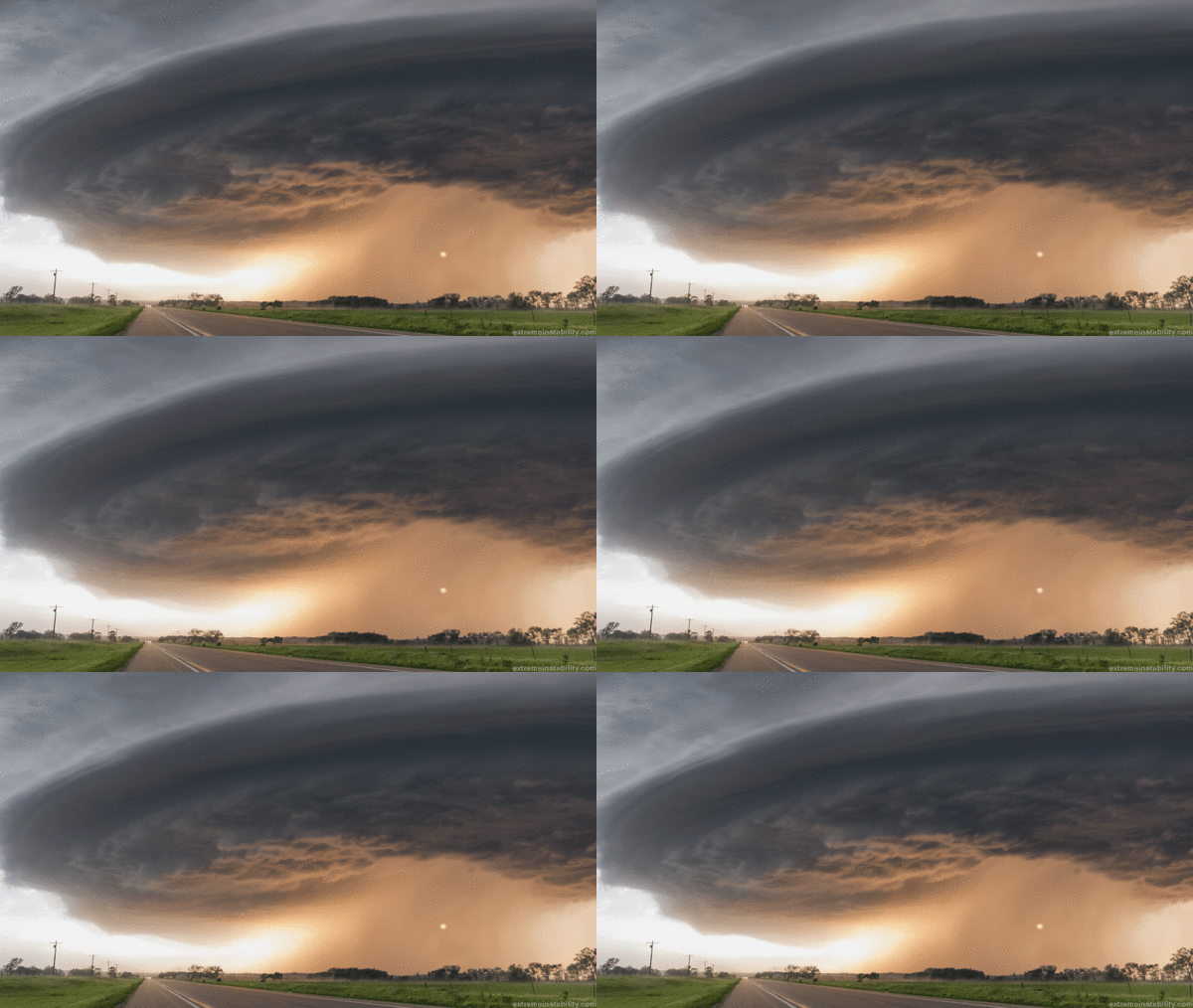
Supercell thunderstorms photoshopped (possibly using witchcraft) into rotation from single photographs (not video) by weather photographer Mike Hollingshead.
More here.



Supercell thunderstorms photoshopped (possibly using witchcraft) into rotation from single photographs (not video) by weather photographer Mike Hollingshead.
More here.


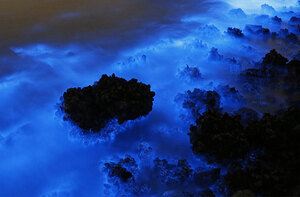
Photos of a bioluminescent bloom by Noctiluca scintillans plankton on the Hong Kong seashore last week.
For all its ethereal beauty, the phenomenon, known as ‘sea sparkle’, is caused by pollution (in this case, agricultural runoff) disturbing the dinoflagellate.

The most dangerous animal in Africa charges across the Chobe river in Botswana. filmed by tourist Craig Jackson earlier this month.

Up-close footage of lava flowing into the sea from the volcanic coastline of Hawaii early last year.

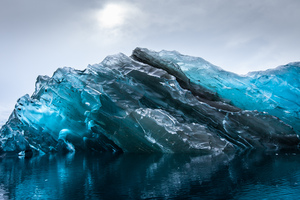


Shots of the translucent blue underside of a flipped iceberg (free of snow and debris) taken by photographer Alex Cornell during a recent visit to Antarctica.
Such flips are rare, as up to 90% of the mass of an iceberg lies underwater. According to Science Focus, the events can cause minor tsunamis that have been known to swamp vessels nearby.


The first in a series (three more are on the way) of vintage style posters for some recently discovered exoplanets created by NASA Jet Propulsion Lab visual strategists Joby Harris, David Delgado, and Dan Goods.
Related: Distant Earths


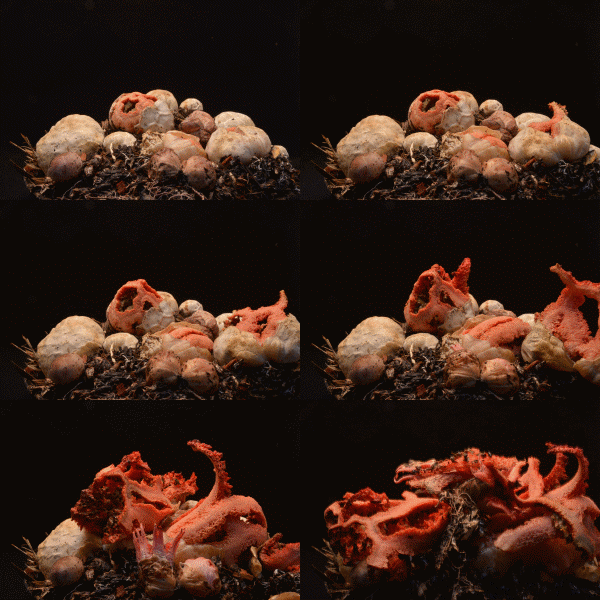


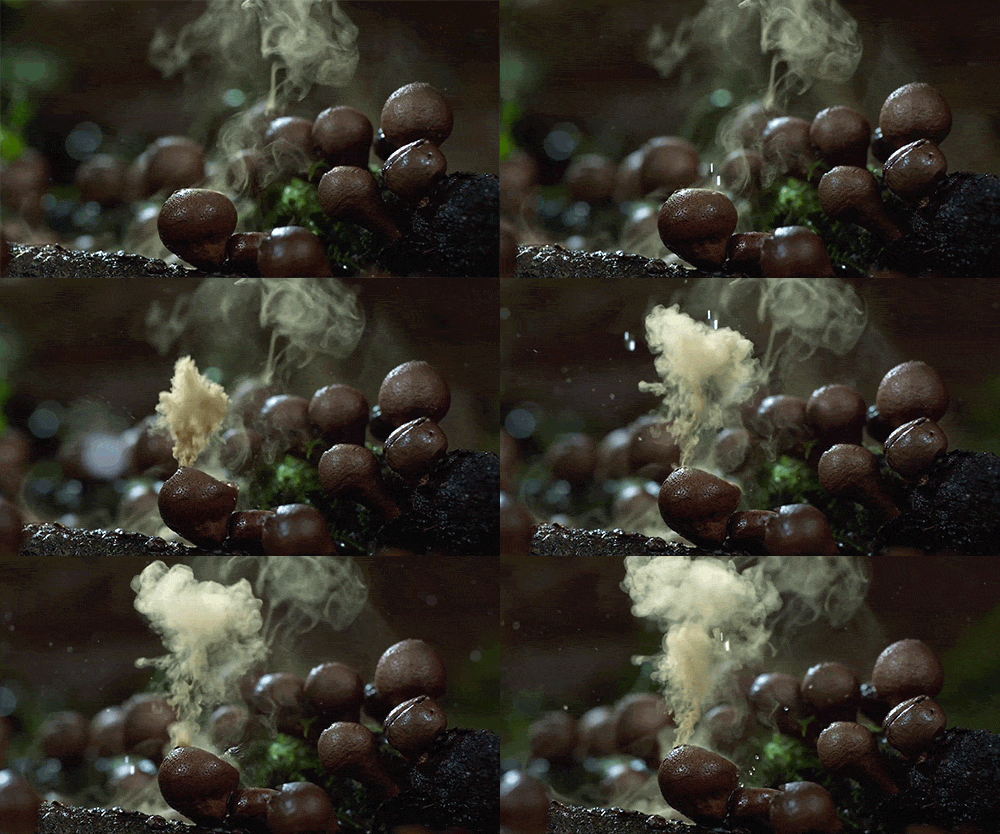
Scenes from the wonderful, slightly unnerving world of fungi.


A new, even higher definition composite photo of the (7000 light years distant) Eagle Nebula’s ‘Pillars of Creation’ taken by the (since massively upgraded) Hubble telescope, contrasted with a similar image taken by the array back in 1995.
Hubblesite sez of it:
The pillars are bathed in the blistering ultraviolet light from a grouping of young, massive stars located off the top of the image. Streamers of gas can be seen bleeding off pillars as the intense radiation heats and evaporates it into space. Denser regions of the pillars are shadowing material beneath them from the powerful radiation. Stars are being born deep inside the pillars, which are made of cold hydrogen gas laced with dust. The pillars are part of a small region of the Eagle Nebula, a vast star-forming region 6,500 light-years from Earth.

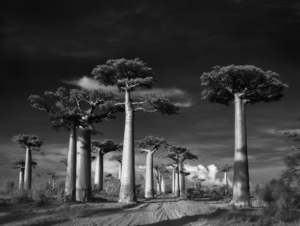
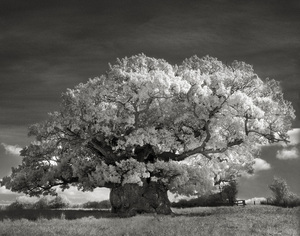
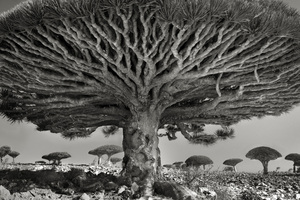


American photographer Beth Moon has spent the last 14 years travelling the world in search of the oldest, rarest and biggest trees.
Her duotone prints are specially developed for exhibition using a platinum/palladium process that ensures a deep tonal range and a durability to match the often millennium-old subject matter.
60 of her majestic tree images were recently published in a book called Ancient Trees; Portaits Of Time.