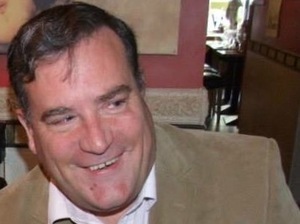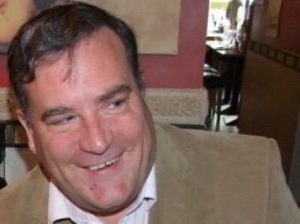
From top: Green Party Leader Eamon Ryan arriving at Leinster House, Kildare Street, Dublin 2 yesterday; Dan Boyle
Too many in the Irish media attempt to frame political debate rather analyse its complexities, before communicating political positions in their widest context.
This week I listened to hosts of two different programmes on Newstalk read out the same text from a member of the public, one programme for a second time having also done so yesterday. The text was that Bertie Ahern thought The Greens were ‘flaky’.
It seems this was a text of such quality it needed repetition. It was an opinion expressed by Ahern, but the wider context the text sender or the programme makers weren’t prepared to acknowledge was the opinion was expressed before Ahern decided he needed the Greens in government.
The station is also running an online poll on whether The Greens should or should not be in government. Apparently it is unnecessary to ask such questions of other political parties.
Other media outlets have sought to frame the process of government formation in similar terms. The Greens needed to step up to the plate. The Greens needed to be responsible. The Greens needed to realistic in their expectations.
The implied narrative is that The Greens should be compliant. The Greens should know their place. The process is becoming more difficult to achieve because of a lack, on the part of The Greens, to compromise.
By participating in the process The Greens are compromising. By putting aside policy positions knowing they won’t be entertained much less agreed to, The Greens are compromising. By prioritising which policies are more important than others The Greens are compromising.
To start and expect only a partial implementation of policies is compromise by The Greens. There seems a total absence of questioning as to what compromise is being offered by others who seek to participate in government.
For too many media political analysts, even after nearly forty years in existence, the Green Party is seen as being narrow in focus being subsumed with environmental issues, and because of that having little relevance in social or economic policy areas.
Added to this is the constant misrepresentation of what Green Party policies are.
The Green Party does not want to stop road building, it wants to have less spent on new road construction, with more being spent on sustainable transport infrastructure.
Greens do not favour culling the national herd. We want to encourage greater diversity in our agriculture which would decrease our reliance on livestock.
Diversity informs many aspects of Green policy, which seems surprising to some commentators.
Housing policy has to be more than encouraging home ownership provided through the private sector. Social housing needs to be ramped up. Renters need better access and standards.
But apparently Greens are not supposed to know or speak of those things. A
s someone who helped negotiate participation in government in 2007, and helped renegotiate continued participation in 2009. I would always advocate being in government rather than opposition.
However if condescension and misrepresentations is the tone that awaits The Greens being in government, it’s going to prove very difficult for many Green Party members to accept such a fate. Again.
Dan Boyle is a former Green Party TD and Senator and serves as a Green Party councillor on Cork City Council. His column appears here every Thursday. Follow Dan on Twitter: @sendboyle
Rollingnews